Stroke: The Golden Hour | Best Neurology Hospital in Vijayawada
Medically reviewed by: Dr. Bala Krishna Sanampudi, Sr. Consultant Neurologist (to be confirmed before publishing)
A stroke can happen suddenly—while someone is at work, having breakfast, driving, or simply talking with family. One moment a person may seem completely normal; minutes later, they may have difficulty speaking, weakness on one side, loss of balance, or sudden vision problems.
For families in Vijayawada and surrounding areas, knowing what to do during those first few minutes can make a meaningful difference.
Introduction: When Every Minute Matters
When a stroke occurs, the brain may suddenly lose its supply of oxygen-rich blood. Without rapid assessment and appropriate treatment, brain tissue can become permanently damaged.
This is why doctors often use the phrase “time is brain.” Research has estimated that in a typical large-vessel ischemic stroke, approximately 1.9 million neurons may be lost every minute without treatment. This is an estimate derived from a specific stroke model, not a fixed number for every patient, but it clearly illustrates why delays matter.
The term “golden hour for stroke” is commonly used to emphasize the importance of getting medical attention as early as possible. It does not mean treatment is only possible during the first 60 minutes. Some stroke treatments remain possible later in carefully selected patients. However, earlier evaluation generally gives the medical team more opportunity to identify the type of stroke and determine whether time-sensitive treatment is appropriate.
If you suspect a stroke, do not wait for symptoms to disappear. Call emergency services and get the person to a stroke-capable emergency department immediately.
For people looking for the Best Neurology Hospital in Vijayawada, the most important consideration during a suspected stroke is not simply the hospital name—it is whether appropriate emergency assessment, brain imaging, neurological expertise and time-sensitive treatment are available quickly.
What Is a Stroke?
A stroke occurs when blood flow or bleeding affects part of the brain, causing sudden neurological problems.
There are two major types:
1. Ischemic stroke
An ischemic stroke happens when a blood clot blocks an artery supplying the brain.
The affected brain tissue receives too little oxygen and glucose. Depending on the location and size of the blockage, a person may develop weakness, speech problems, vision changes, confusion or other neurological symptoms.
Some eligible patients with acute ischemic stroke may benefit from thrombolysis (medicine used to dissolve a blood clot). Selected patients with a large blood-vessel blockage may also be candidates for mechanical thrombectomy, a procedure that removes the clot through a catheter.
2. Hemorrhagic stroke
A hemorrhagic stroke occurs when a blood vessel in the brain ruptures and bleeding occurs in or around the brain.
Treatment is different from ischemic stroke. Depending on the cause and location of bleeding, patients may require intensive monitoring, blood-pressure management, neurosurgical treatment or other specialist care.
This is one reason people should never assume that a stroke is caused by a clot and give medication at home. Brain imaging is needed to determine what type of stroke has occurred.
What is a TIA?
A transient ischemic attack (TIA) is sometimes called a “mini-stroke.” It produces stroke-like neurological symptoms caused by temporary disruption of blood flow, with symptoms resolving.
A TIA should not be ignored. It can be an important warning that a person is at risk of a future stroke and requires medical evaluation.
The “Golden Hour” for Stroke: Why Time Is Brain
The first few hours after stroke symptoms begin are extremely important.
For eligible patients with acute ischemic stroke, current American Heart Association/American Stroke Association guidance supports intravenous thrombolysis with alteplase or tenecteplase within the 4.5-hour window in appropriate circumstances. The 2026 guidance also recognizes selected situations where advanced imaging can help identify patients who may benefit outside conventional windows.
Mechanical thrombectomy has also transformed treatment for selected patients with large-vessel occlusion. Depending on the patient's symptoms, vessel involved, imaging findings and other eligibility factors, thrombectomy may be considered within an extended window, including up to 24 hours in selected patients.
These time windows should never be interpreted as reasons to wait.
The earlier a patient reaches a suitable hospital, the sooner doctors can:
- Confirm whether the problem is a stroke.
- Determine whether it is ischemic or hemorrhagic.
- Establish when the patient was last known to be well.
- Perform urgent brain imaging.
- Assess eligibility for thrombolysis.
- Identify large-vessel blockage when appropriate.
- Consider thrombectomy where indicated.
- Begin supportive and critical care.
The treatment decision is made by the treating stroke team after evaluating the patient's medical history, examination, imaging, medications and other factors.
Recognizing Stroke Fast: Remember BE-FAST
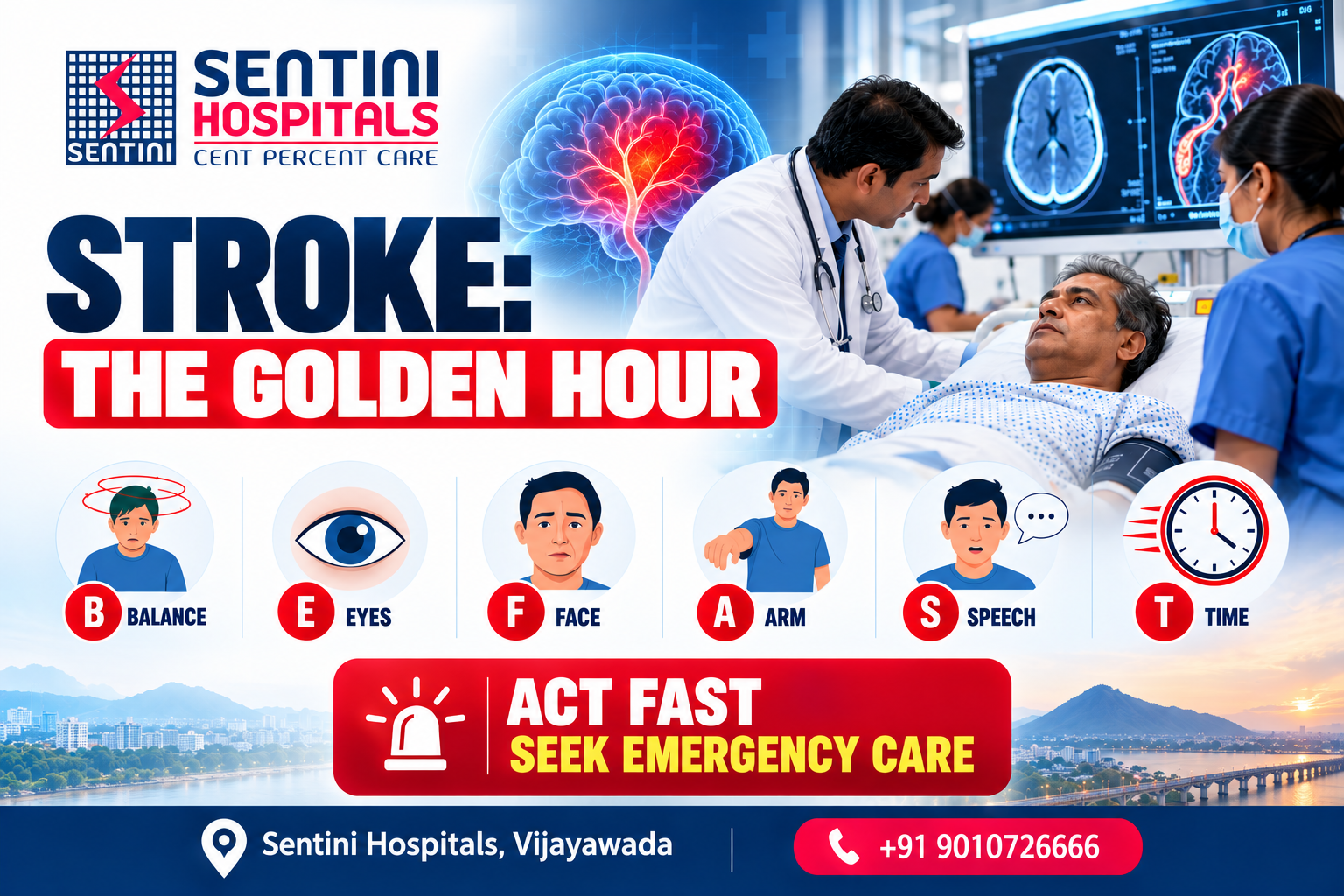
One of the easiest ways to remember common stroke symptoms is BE-FAST.
B — Balance
Look for sudden:
- Loss of balance
- Difficulty walking
- Dizziness
- Poor coordination
E — Eyes
Watch for sudden:
- Blurred vision
- Double vision
- Loss of vision in one or both eyes
F — Face
Ask the person to smile.
Does one side of the face droop or feel numb?
A — Arm
Ask the person to raise both arms.
Is one arm suddenly weak, numb or drifting downward?
S — Speech
Ask the person to repeat a simple sentence.
Is the speech:
- Slurred?
- Difficult to understand?
- Inappropriate or confused?
- Suddenly absent?
T — Time
Time is critical. If any of these symptoms occur suddenly, seek emergency medical help immediately.
Other possible stroke symptoms include sudden numbness or weakness of the leg, confusion, difficulty understanding speech, severe unexplained headache, loss of consciousness or other sudden neurological changes.
Even if symptoms improve or disappear, the person still needs urgent medical assessment because the episode may have been a TIA or another serious neurological event.
Common Stroke Risk Factors in India
Stroke risk can increase with several health and lifestyle factors. Some can be controlled, while others—such as age and family history—cannot.
Important risk factors include:
- High blood pressure (hypertension): One of the major modifiable stroke risk factors.
- Diabetes: Persistently high blood sugar can damage blood vessels.
- High cholesterol: Excess cholesterol can contribute to plaque formation in arteries.
- Smoking and tobacco use: Tobacco damages blood vessels and increases cardiovascular risk.
- Obesity and physical inactivity: These can contribute to hypertension, diabetes and abnormal cholesterol.
- Unhealthy diet: Excess salt, saturated fat and highly processed foods can increase cardiovascular risk.
- Irregular lifestyle: Poor sleep, inactivity and inconsistent health habits can contribute to several risk factors.
- Atrial fibrillation: This irregular heart rhythm can increase the risk of blood clots travelling to the brain.
- Excessive alcohol use: Heavy alcohol consumption can increase cardiovascular and stroke risk.
WHO identifies tobacco use, unhealthy diet and inadequate physical activity as important behavioural cardiovascular risk factors, along with high blood pressure, high blood cholesterol and high blood glucose.
What to Do—and What NOT to Do During a Stroke
If you think someone is having a stroke, act immediately.
What to do
- Call emergency medical services or arrange immediate emergency transport.
- Note the exact time symptoms started, or the last time the person was definitely normal.
- Keep the person safe and comfortable.
- Take a list of current medicines, medical conditions and relevant medical records if readily available.
- Tell the emergency team about blood thinners or anticoagulants if the patient takes them.
- Take the patient directly to an appropriate emergency department.
What NOT to do
Do not wait to see if symptoms improve.
Stroke symptoms can temporarily disappear, but this does not make the event safe.
Do not give food or water.
A stroke can affect swallowing. Giving food or liquids may cause choking or aspiration (food or liquid entering the airway).
Do not give aspirin or other medicines on your own.
A hemorrhagic stroke involves bleeding, and treatment differs from ischemic stroke. Brain imaging is important before deciding on many stroke treatments.
Do not rely on home remedies.
Traditional remedies or attempts to “reverse” paralysis at home can delay emergency assessment.
Do not drive yourself if emergency transport is available.
Professional emergency transport may allow the patient to be assessed and the receiving hospital to prepare for arrival.
What Is a Stroke-Ready Hospital?
A stroke-ready hospital needs more than a neurology department. Acute stroke care depends on rapid coordination between emergency medicine, neurology, radiology, laboratory services, critical care and, when required, neurosurgery or endovascular specialists.
Important capabilities may include:
24/7 emergency assessment
Stroke can happen at any hour. Emergency evaluation should be available around the clock.
Rapid brain imaging
A non-contrast CT scan is commonly used urgently to identify intracranial bleeding and help guide treatment. Depending on the clinical situation, additional imaging such as CT angiography may help identify blood-vessel blockages. Current stroke guidance emphasizes rapid imaging without unnecessary delays.
Neurologist and neurosurgical expertise
A neurologist assesses neurological function and helps determine the appropriate stroke pathway. A neurosurgeon may be required for certain bleeding strokes, brain swelling or other conditions requiring surgical management.
Thrombolysis
Thrombolysis uses medication to dissolve a clot in appropriately selected patients with ischemic stroke.
Mechanical thrombectomy
Thrombectomy is a catheter-based procedure used to remove a clot from a blocked brain artery in selected patients. Eligibility depends on factors such as the affected blood vessel, time from symptom onset, clinical severity and imaging findings.
Critical care
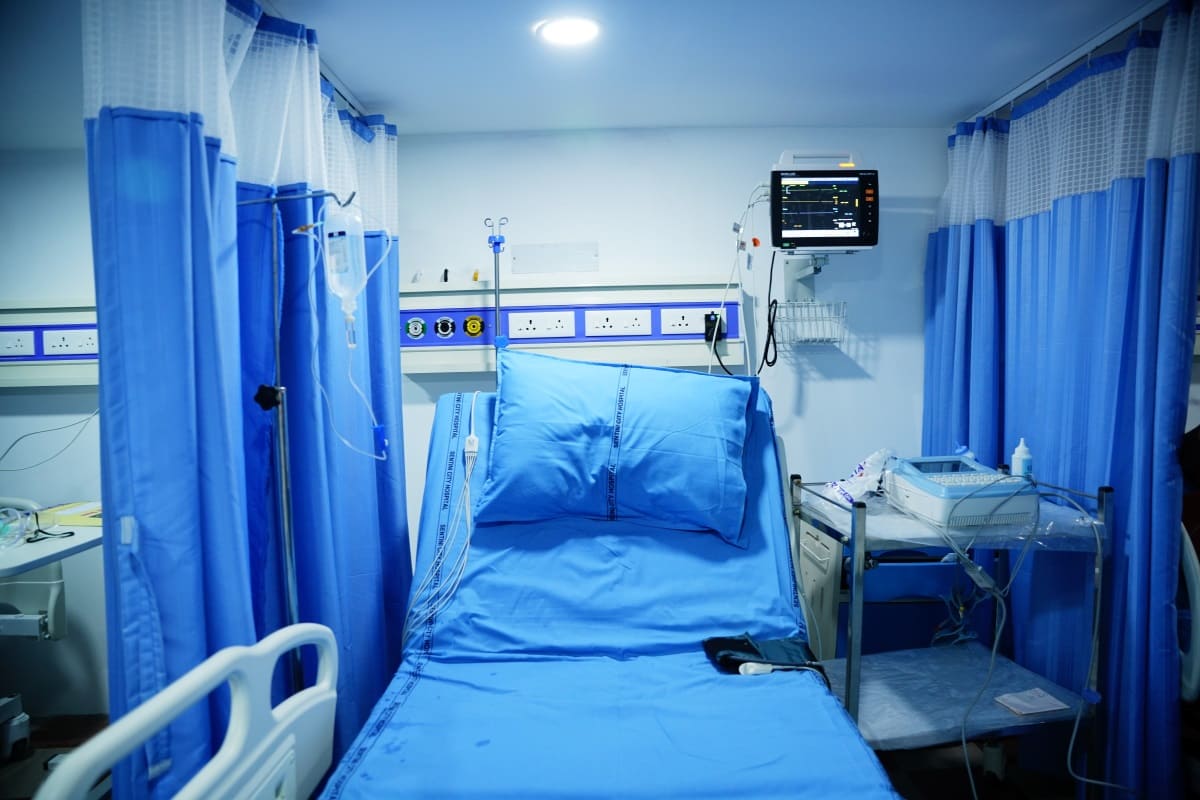
Some stroke patients require close monitoring in an ICU or critical-care environment, particularly when there are complications affecting breathing, consciousness, blood pressure or other vital functions.
Rehabilitation
Recovery may require physiotherapy, speech and language therapy, occupational therapy and caregiver support.
Stroke Treatment Time Windows: What Families Should Know
It is important to remember that stroke treatment is individualized.
For selected patients with acute ischemic stroke, intravenous thrombolysis is generally administered within approximately 4.5 hours of symptom onset, subject to medical eligibility. Current guidance also supports specific extended-window approaches in selected patients using advanced imaging.
For selected patients with large-vessel occlusion, mechanical thrombectomy may be considered up to 24 hours after symptom onset in appropriate circumstances.
Therefore, families should never decide that it is “too late” without speaking to a stroke specialist.
At the same time, the existence of extended treatment windows should never encourage waiting at home. The correct approach is to reach a capable emergency department as quickly as possible.
Why Consider Sentini Hospitals for Neurology and Stroke Care in Vijayawada?
For people searching online for the Best Neurology Hospital in Vijayawada, the practical question is whether the hospital has the services needed to evaluate neurological emergencies promptly.
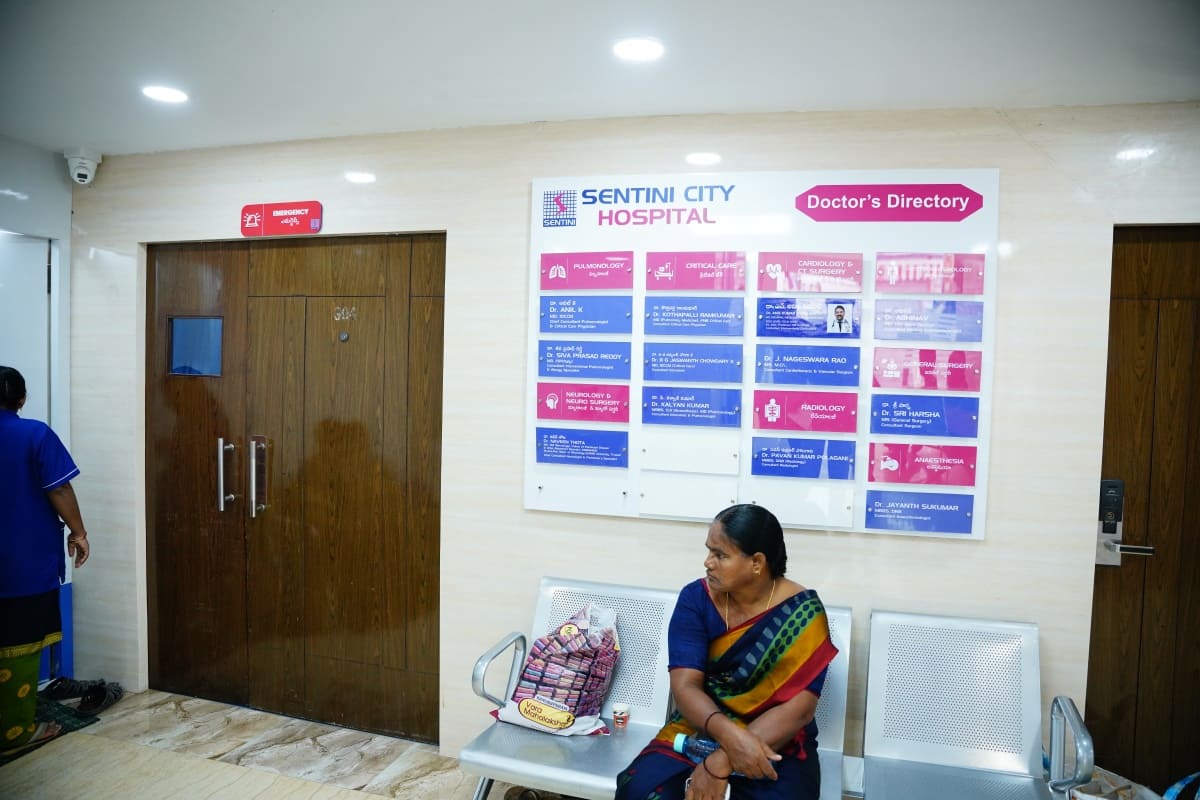
Sentini Hospitals is a 150-bed multi-specialty hospital located at Ring Road, opposite Novotel, Vijayawada, Andhra Pradesh – 520008.
Its facilities and services relevant to emergency neurological care include:
- Neurology and Neurosurgery departments
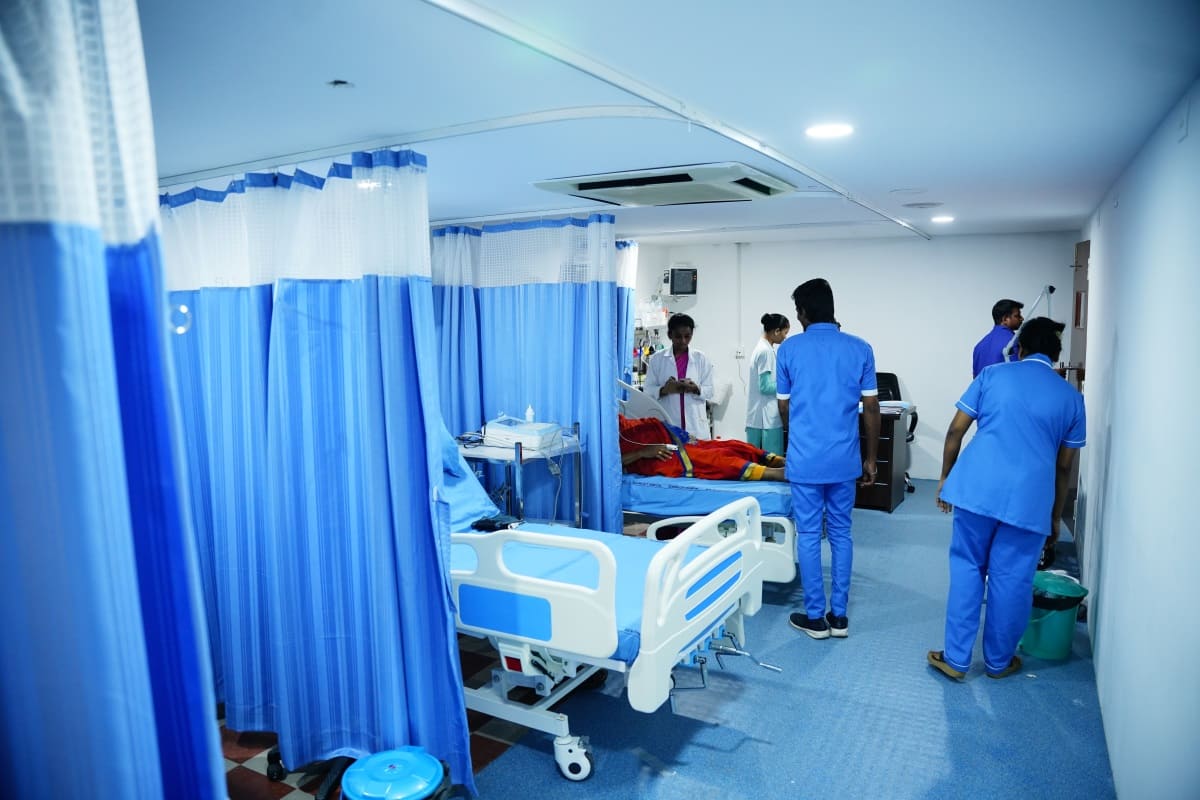
- 24-hour emergency and critical care
- 24/7 ambulance service
- Advanced diagnostic facilities, including CT Angiography
- In-house laboratory
- In-house pharmacy
- Rehabilitation services
- Access to multiple specialties including Cardiology, Pulmonology, Critical Care, Orthopedics, Urology and Gastroenterology
The neurology team includes:
Dr. Bala Krishna Sanampudi, Sr. Consultant Neurologist, with clinical interests including epilepsy, stroke, paralysis, dementia, neuropathy and movement disorders.
Dr. M. A. Ameen, Sr. Consultant Neurosurgeon.
Dr. Naveen Thota, Neurologist, with expertise in Parkinson's disease and movement disorders.
For someone requiring urgent stroke treatment in Vijayawada, the combination of emergency services, neurological expertise, diagnostic facilities and critical-care support can be important when rapid evaluation is required.
Recovery After Stroke: Rehabilitation Matters
Emergency treatment is only one part of stroke care. Recovery can continue for weeks, months or longer, depending on the type and severity of the stroke.
A rehabilitation plan may include:
Physiotherapy
Helps improve strength, balance, coordination, mobility and independence.
Speech and language therapy
Can help patients with speech, language and swallowing difficulties.
Occupational therapy
Focuses on practical daily activities such as dressing, eating, bathing and returning to work or other routines.
Cognitive and emotional support
Some patients experience changes in memory, concentration, mood or behaviour after stroke. These concerns should be discussed with the treating healthcare team.
Caregiver education
Family members often play an important role in medication management, mobility, appointments, nutrition and ongoing rehabilitation.
How to Reduce Your Risk of Stroke
Prevention starts with managing the factors you can control.
Use this practical checklist:
- Check your blood pressure regularly and follow prescribed treatment.
- Keep diabetes and blood glucose under control.
- Monitor cholesterol and take prescribed medication consistently.
- Avoid smoking and tobacco products.
- Maintain a healthy body weight.
- Aim for regular physical activity appropriate for your age and health.
- Follow a balanced diet with appropriate salt intake.
- Limit excessive alcohol consumption.
- Get appropriate health check-ups.
- If you have atrial fibrillation or another heart condition, follow your cardiologist's treatment plan.
- Never stop prescribed blood-pressure, diabetes, cholesterol or blood-thinning medication without medical advice.
FAQs About Stroke
1. What is the golden hour for stroke?
The “golden hour for stroke” refers to the critical early period when rapid medical evaluation and treatment can make a major difference. It does not mean treatment is impossible after one hour. Some therapies may be available later for carefully selected patients.
2. What are the first signs of a stroke?
Sudden facial drooping, arm or leg weakness, speech difficulty, vision changes, dizziness, loss of balance or sudden severe headache can be warning signs. Remember BE-FAST and seek emergency help immediately.
3. Can stroke symptoms disappear?
Yes. Symptoms can sometimes resolve, particularly during a TIA. However, temporary improvement does not mean the danger has passed. Urgent medical assessment is still needed.
4. Can every stroke patient receive thrombolysis?
No. Thrombolysis is appropriate only for selected patients with ischemic stroke who meet specific medical and imaging criteria. The treating stroke team makes this decision.
5. Can a stroke be treated after 4.5 hours?
In selected cases, yes. Certain patients may qualify for extended-window treatment based on clinical and advanced imaging criteria. Mechanical thrombectomy can also be considered in selected patients up to 24 hours. This does not mean patients should delay reaching the hospital.
6. What should I do if I suspect someone is having a stroke?
Note the time symptoms began—or the last time the person was known to be normal—and seek emergency medical care immediately. Do not give food, water or medicines unless instructed by a healthcare professional.
Conclusion: When Stroke Symptoms Start, Act Immediately
A stroke does not wait for a convenient time. The difference between recognizing symptoms immediately and waiting at home can be significant because some stroke treatments are highly time dependent.
Remember BE-FAST: Balance, Eyes, Face, Arm, Speech and Time.
If you or someone around you develops sudden stroke symptoms, do not wait for the symptoms to improve and do not attempt home treatment. Seek emergency medical care immediately.
For emergency assistance at Sentini Hospitals, Vijayawada, call +91 9010726666 or come directly to the emergency department.
For appointments and hospital information, visit sentinihospitals.com.
Suggested Internal Links
- Neurology Department → Sentini Hospitals Neurology page
- Book an Appointment → Sentini Hospitals appointment page
- Contact Us → Sentini Hospitals contact page
- Our Services → Sentini Hospitals services page
Suggested Authoritative External References
- World Health Organization (WHO): Cardiovascular Diseases and Stroke Information
- American Heart Association/American Stroke Association: 2026 Guideline for Acute Ischemic Stroke
Suggested Image Alt Text
- “BE-FAST stroke symptoms checklist showing signs that require immediate emergency care”
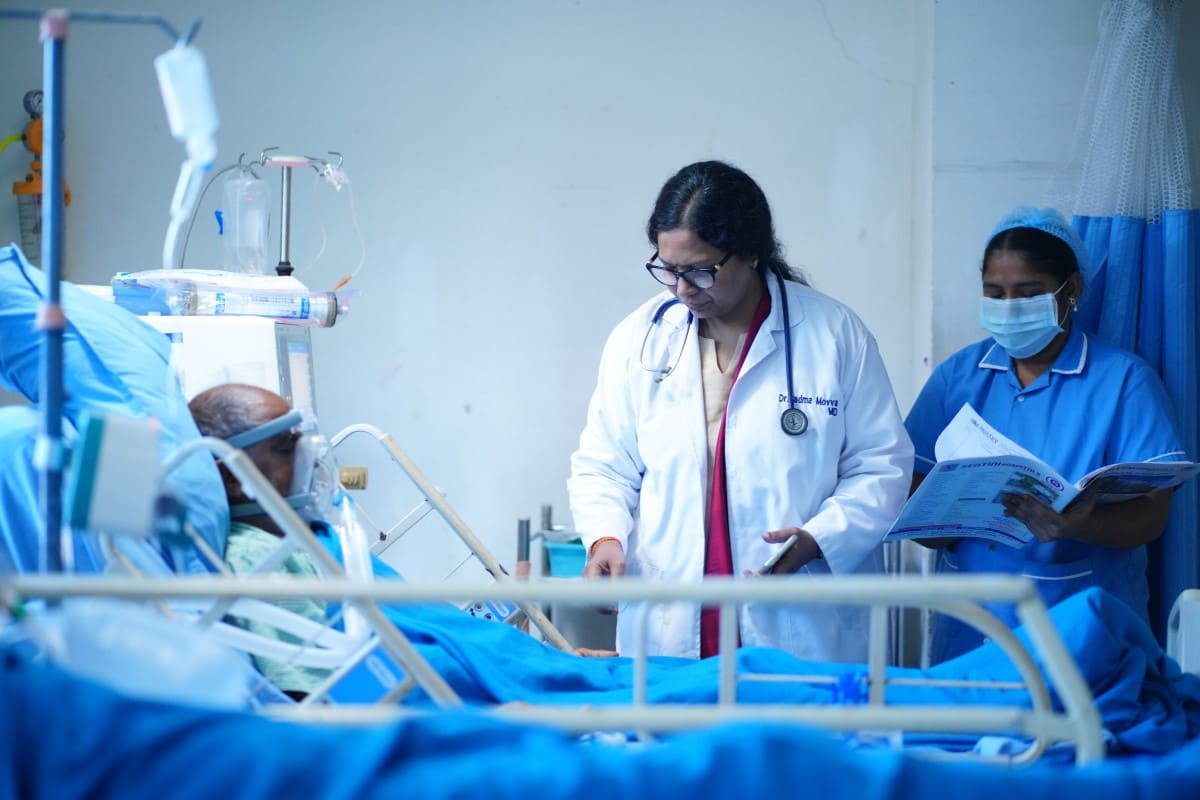
- “Neurologist assessing a suspected stroke patient in an emergency department”
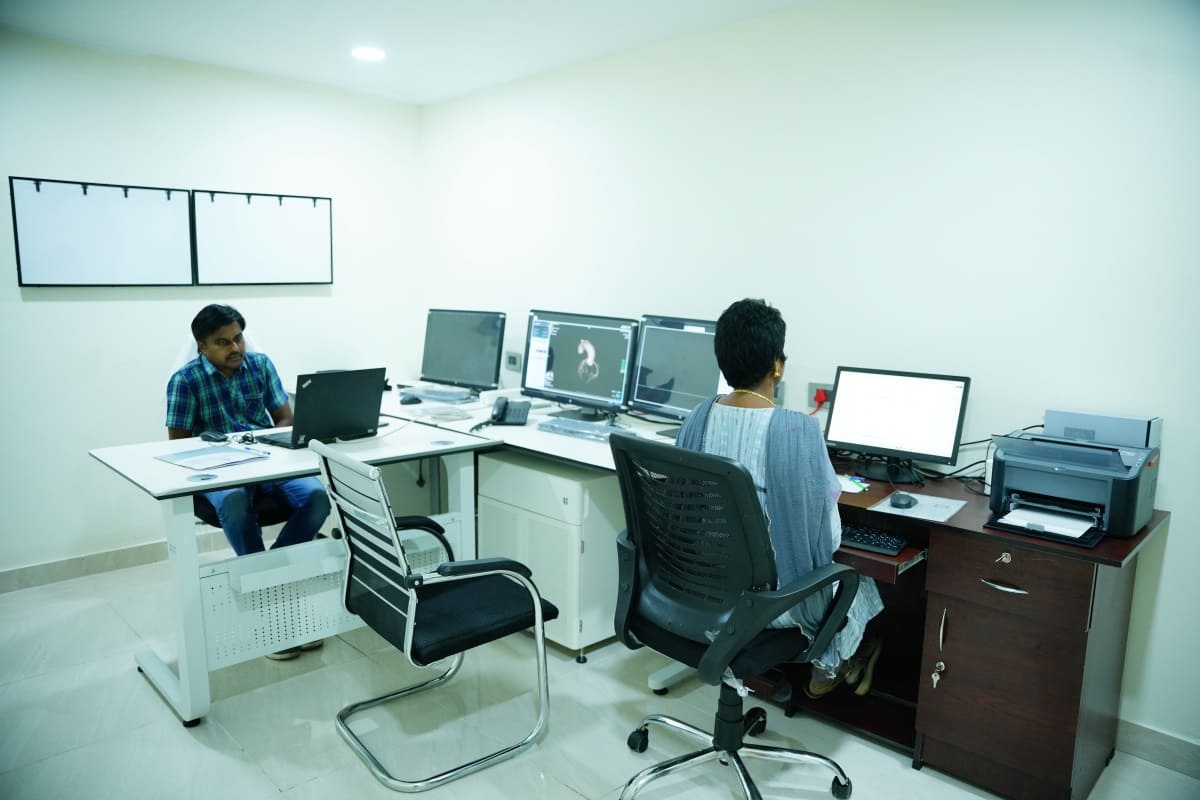
- “CT brain imaging and emergency stroke evaluation at a hospital in Vijayawada”
Medical Disclaimer: This blog is intended for general health awareness and educational purposes only. It is not a substitute for professional medical diagnosis, treatment or emergency medical advice. Stroke symptoms require urgent medical evaluation. Treatment decisions, including thrombolysis and thrombectomy, must be made by qualified healthcare professionals based on the individual patient's condition.