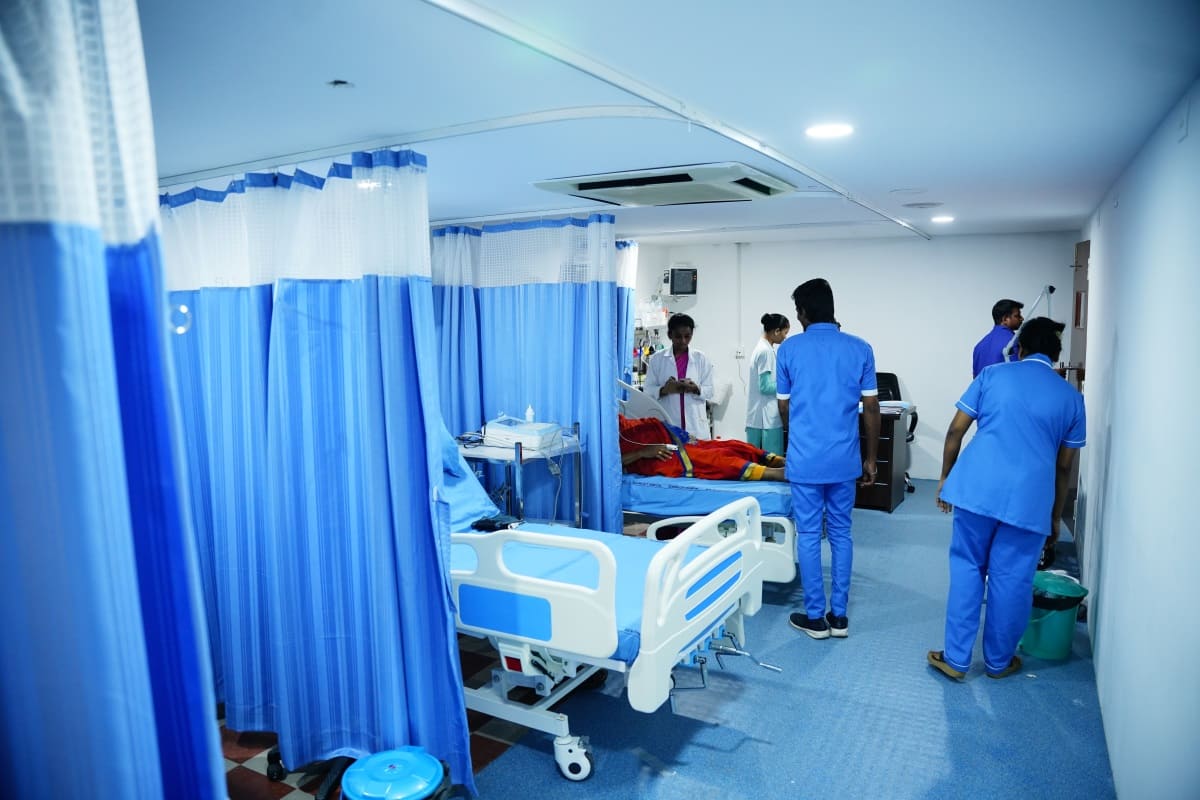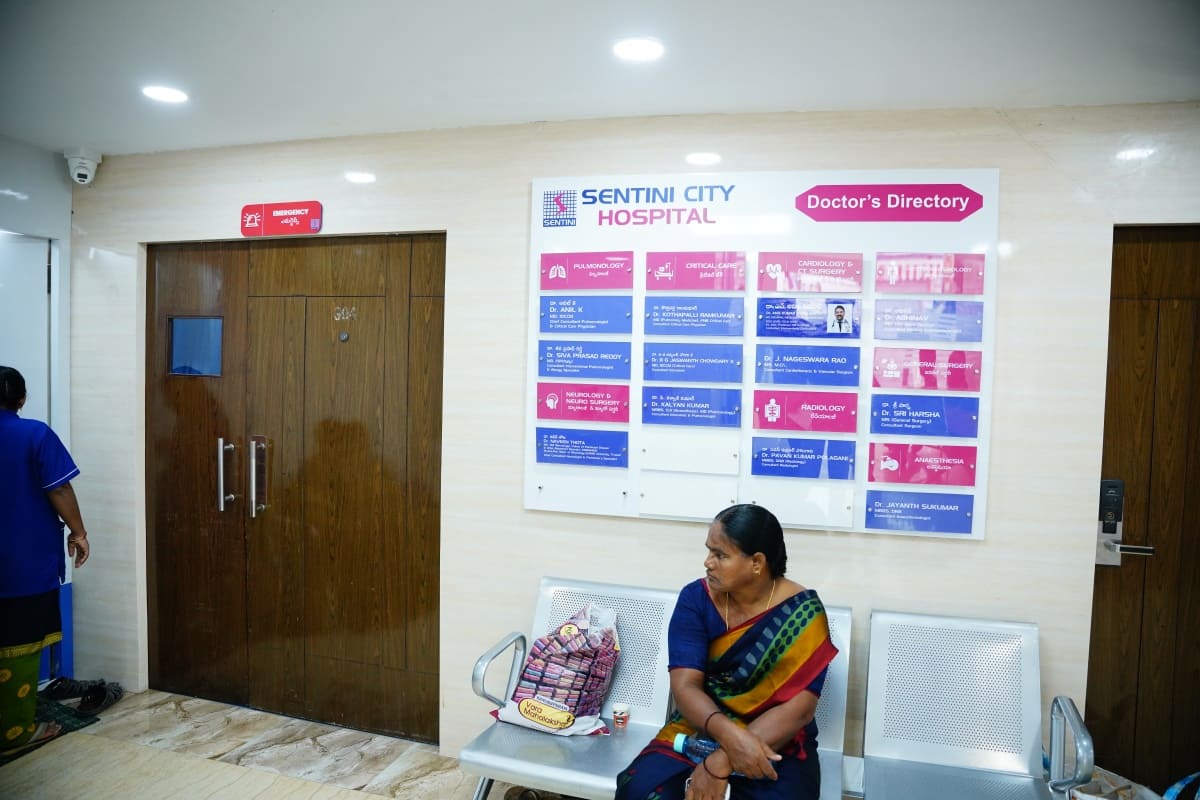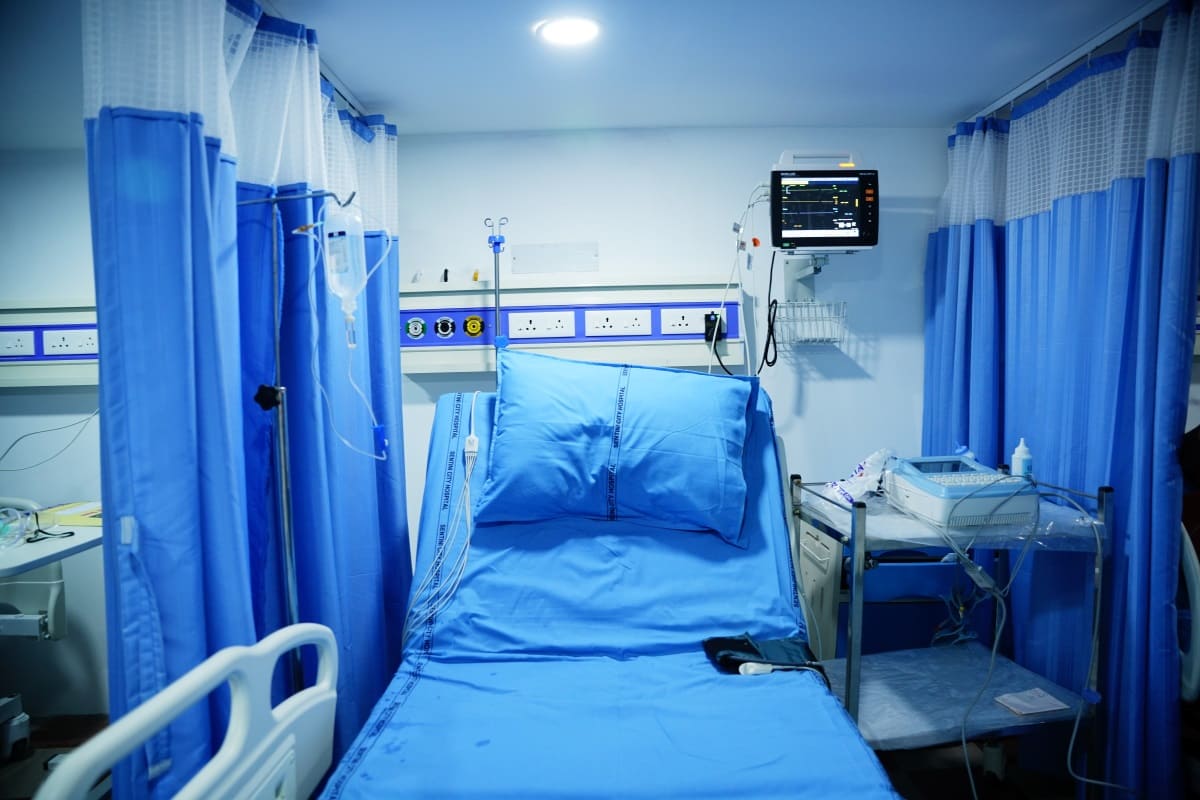
How to Choose the Right Hospital in Vijayawada — A Doctor's Guide
Choosing where to go for treatment is one of the most consequential decisions a family makes — often under stress, and often in a hurry. A hospital shouldn't be judged by its lobby or its billboard. It should be judged by whether it gets patients an accurate diagnosis, timely treatment, and a safe recovery.
This guide walks through the factors that actually matter, based on what we look for as clinicians — not what looks good in an ad.
Every patient's situation is different. Someone with severe chest pain needs a hospital that can act in minutes, not one with the best online reviews. Someone planning a scheduled surgery has time to research the surgical team's track record. Someone managing a chronic condition needs a hospital built for long-term coordination, not just a single visit. Keeping your specific situation in mind while reading this will make it far more useful than treating it as a generic checklist.
What Actually Makes a Hospital Reliable
No single feature makes a hospital "the best." It combines experienced specialists, fast emergency response, and dependable diagnostics. It also includes trained nursing staff, strict infection control, and honest communication. You also get real follow-through after discharge. None of these factors work in isolation — a hospital with brilliant surgeons but a weak nursing team, or excellent equipment but no coordinated emergency response, will still let patients down at the moments that matter most.
Below are the ten factors worth checking before you commit — for yourself or a family member.
1. Doctors With Real, Relevant Experience
Equipment doesn't diagnose patients — people do. What matters is whether the doctor treating you has handled cases like yours before, not just whether they hold a qualification.
An experienced specialist will:
- Catch warning signs a routine exam might miss
- Order the tests that are actually needed, not a blanket panel
- Explain your options in plain language, not jargon
- Loop in other specialists when your case crosses departments
- Track how you're responding to treatment and adjust course
At [Hospital Name], for example, [replace with something concrete: "our cardiology team has performed X procedures annually" / "Dr. [Name] has 15 years in neurocritical care" / a specific department strength]. Ask any hospital directly: Which specialists are on staff, and how often do they treat cases like mine?
It's also worth asking how a hospital handles cases that fall outside a single specialty. An elderly patient with diabetes, hypertension, and a fracture from a fall isn't just an orthopedic case — it's a case that needs an orthopedic surgeon, an endocrinologist or physician managing the diabetes, and often an anesthesiologist weighing in before surgery is even scheduled. Hospitals with deep, connected specialist teams handle this kind of overlap far better than ones where each department operates independently.
2. Emergency Care That's Actually Ready, Not Just Advertised
"24/7 emergency" on a signboard means little if the department isn't staffed and equipped to match. In a stroke, heart attack, or major trauma, the first hour determines outcomes more than almost anything else.
Before you need it, it's worth knowing:
- Is the ER physician-staffed around the clock, or on-call?
- How fast can the hospital run a CT or get a cardiologist to bedside?
- Does it have its own ICU and blood bank, or does it transfer critical cases elsewhere?
[Replace with your hospital's actual emergency response specifics — e.g., "Our ER has a door-to-CT time under 15 minutes" or "an in-house 20-bed ICU with round-the-clock intensivist coverage."]
If you're experiencing severe chest pain, difficulty breathing, sudden weakness, loss of consciousness, severe bleeding, or signs of stroke, go to the nearest emergency department immediately — don't wait to compare hospitals.
It's also worth understanding what happens after the initial stabilization. A good emergency department doesn't just manage the crisis moment — it has a clear handoff process to the right specialist or ICU bed, so a patient isn't stabilized in the ER only to wait hours for the next step in their care. Ask whether the hospital's emergency and inpatient teams operate as one coordinated system or as separate silos that a patient has to navigate themselves.
3. Diagnostics That Are Fast and Necessary
Getting a scan quickly only helps if it's the right scan. Overtesting wastes money and time; undertesting delays treatment. The right hospital has both the equipment and the clinical discipline to order tests based on your actual symptoms and history — not a standard package.
Look for on-site (not outsourced) access to lab work, imaging (X-ray, ultrasound, CT, MRI), cardiac diagnostics (ECG, echo), and endoscopy, with same-day turnaround for urgent cases.
Turnaround time matters more than patients often realize. A CT scan that takes three days to schedule and another two to report is of little use to a doctor trying to make a same-week treatment decision. When evaluating a hospital, it's reasonable to ask directly how long it typically takes to get results back for common tests like blood work, X-rays, and CT or MRI scans — not just whether the equipment exists on-site.
4. Departments That Actually Talk to Each Other
A patient with diabetes, hypertension, and a surgical issue shouldn't have to coordinate three separate specialists themselves. In a genuinely multispecialty setup, the departments — medicine, surgery, cardiology, orthopedics, OB-GYN, pediatrics, gastroenterology, urology, critical care — consult each other directly.
Ask whether your case, if it turns out to be more complex than expected, would mean a referral to a different facility or a conversation down the hall.
This matters most for patients who don't yet have a diagnosis. Someone with unexplained fatigue, weight loss, and joint pain might need input from an internist, a rheumatologist, and possibly an oncologist before the cause is clear. In a hospital where these specialists work under one roof and can review a case together, that process might take days. In a hospital where each referral means starting over at a new facility, it can take months — and for some conditions, that delay has real consequences.
5. An ICU That's Run by People, Not Just Monitors
Ventilators and monitors matter, but ICU quality is really about staffing ratios, how fast the team responds to a deteriorating patient, and whether an intensivist is physically present — not just on call.
[Replace with specifics: nurse-to-patient ratio, intensivist coverage model, ventilator capacity.]
Families are often not told enough about what ICU care actually involves, which can make an already frightening situation more confusing. A good ICU team communicates regularly with family members — not just at admission and discharge, but throughout the stay — explaining what's changed, what the plan is, and what to expect next. If you're evaluating a hospital's ICU on behalf of a loved one, it's fair to ask how and how often the team updates families during a critical stay.
6. Infection Control You Can Actually See
This isn't just about a clean-looking lobby. Ask about hand-hygiene compliance, instrument sterilization protocols, and how hospital-acquired infection rates are tracked. A hospital confident in its numbers will usually share them.
Patients and visitors play a role here too, even if it's easy to overlook. Washing hands before and after visiting a patient, following any isolation precautions the hospital asks for, and avoiding visits when you're unwell yourself all reduce the risk of spreading infection in an environment where many patients already have weakened immune systems. It's a small thing, but it matters more in a hospital than almost anywhere else.
7. Nursing Staff Who Notice Things Early
Nurses spend more time with patients than doctors do, day to day. A well-trained nursing team catches subtle changes — a shift in breathing, confusion, a fever spike — before they become emergencies, and escalates fast.
Beyond clinical monitoring, nurses are usually the ones administering medications on schedule, helping with mobility after surgery, and answering the small but important questions patients don't always think to ask a doctor directly. A hospital with a strong nurse-to-patient ratio and low staff turnover tends to provide noticeably more attentive day-to-day care than one that's chronically understaffed, even if the medical staff on paper looks identical.
8. Doctors Who Explain, Not Just Prescribe
You should never leave a consultation confused about your own diagnosis. A good doctor explains what's wrong, why a test or treatment is being recommended, what the alternatives are, and what recovery will look like — and welcomes questions rather than rushing past them.
This also extends to consent. Before any procedure, you should understand not just that you're signing a form, but what it actually authorizes, what the realistic risks are, and what would happen if you chose not to proceed. A rushed five-second explanation before a signature isn't informed consent — it's a formality. Patients are entitled to ask a doctor to slow down and explain again, as many times as needed.
9. Surgical Facilities With Real Safety Protocols
If surgery is recommended, ask why it's necessary and what non-surgical alternatives exist. A responsible surgeon explains both. Beyond that, check for proper pre-op assessment, anesthesia support, and post-op monitoring — not just a well-equipped OT.
It's also reasonable to ask about the surgical team's experience with your specific procedure, not just their overall qualifications. A surgeon who performs a particular operation regularly will typically have better outcomes and fewer complications than one who does it occasionally. Post-operative care matters just as much as the surgery itself — ask how pain is managed afterward, how soon mobility is encouraged, and what signs would prompt an urgent call to the hospital during recovery.
10. Follow-Up Care That Doesn't End at Discharge
Recovery often depends more on what happens after discharge than during the hospital stay. Good follow-up includes scheduled reviews, clear medication and wound-care instructions, and a direct way to reach the care team if something feels wrong.
This matters most for patients managing chronic conditions, recovering from major surgery, or dealing with a serious infection — situations where things can quietly go wrong between visits if no one is checking in. A hospital that treats discharge as the finish line, rather than one stage in an ongoing relationship, is more likely to see patients back in the ER with complications that a timely follow-up call or visit could have caught early.
How to Actually Decide
Skip the star ratings and ask instead:
- Does this hospital treat my specific condition regularly?
- Is emergency and ICU care genuinely available, not just listed?
- Will the doctor explain my diagnosis and options clearly?
- Is there a real follow-up plan after I leave?
For a true emergency, go to the nearest capable ER — don't spend time comparison-shopping. For planned treatment, take the time to ask these questions directly.
Frequently Asked Questions
How do I choose a hospital in Vijayawada?
Match the hospital to your specific medical need — check the relevant specialist's experience, whether emergency and ICU care are genuinely staffed, and whether follow-up support is offered after discharge.
Why does 24/7 emergency care matter?
Emergencies don't wait for business hours. A hospital with round-the-clock physician staffing (not just on-call coverage) can assess, stabilize, and treat faster — which measurably improves outcomes in time-sensitive conditions like stroke and heart attack.
Is a multispecialty hospital better?
For complex or overlapping conditions, yes — it usually means faster internal referrals and coordinated care instead of you managing separate specialists yourself.
What should I ask about an ICU?
Nurse-to-patient ratio, whether an intensivist is on-site or on-call, ventilator capacity, and infection-control protocols.
Should online reviews decide my choice?
Use them as one data point, not the deciding factor. Specialist experience, emergency readiness, and how clearly a doctor communicates matter more than star ratings.
When should I go straight to the ER instead of calling to ask questions?
Severe chest pain, difficulty breathing, sudden weakness or confusion, severe bleeding, seizures, major trauma, or possible stroke symptoms — go immediately.
This article is for general information and does not replace professional medical advice. If you're experiencing a medical emergency, seek immediate care.