Firecracker Burns First Aid: A Diwali Safety Guide
Diwali falls on Sunday, 8 November this year, and homes across Vijayawada are already stocking up on sparklers, flowerpots and rockets. Most celebrations pass safely, but every festival season emergency departments see burns to the hands, face and eyes. Knowing firecracker burns first aid before the celebrations begin helps you act calmly and correctly in the first few minutes, when it matters most.
Quick answer: For a firecracker burn, cool the burn under cool running water for 20 minutes as soon as possible, remove rings, bangles or clothing near the burn unless stuck to the skin, and cover it loosely with cling film or a clean, non-fluffy cloth. Do not apply toothpaste, oil, butter, ice or any cream. Go to an emergency department straight away if the burn is large or deep, or is on the face, eyes, hands, feet or genitals, or if a child is burnt.
This guide is based on advice from the NHS, the World Health Organization and India's Petroleum and Explosives Safety Organisation (PESO). It covers how to give first aid, when to go to hospital, and how families in Vijayawada, Gannavaram and nearby towns can lower the risk this Diwali.
Why firecracker burns need quick action
A burn keeps damaging the skin for some time after the heat source is removed. Cooling the area quickly with running water helps limit that damage and eases pain. Sparklers can reach very high temperatures, and loose synthetic clothing can catch fire easily.
According to the World Health Organization, burns are a global public health problem, with an estimated 163,000 deaths in 2023 caused by fire, heat and hot substances. WHO notes that many burns occur in homes and workplaces, that children are particularly at risk, and that burns are preventable through safer environments and timely first aid and care (WHO: Burns). Around festival fireworks, children need extra care because they are curious and often stand close to the action.
Firecracker burns first aid: step by step
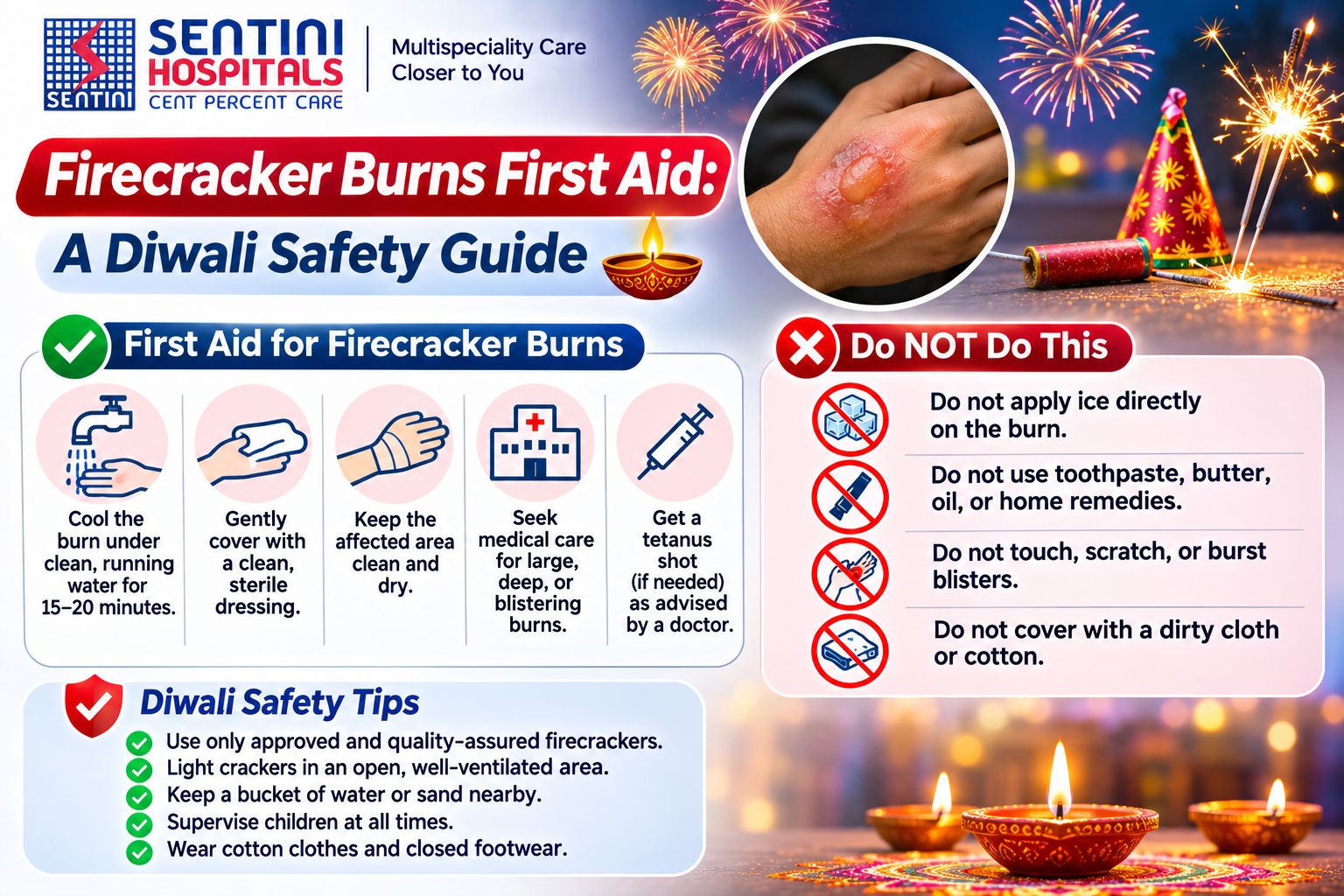
The NHS advises treating all burns and scalds straight away (NHS: Burns and scalds). Here is what to do, in order:
- Stop the burning. Move the person away from the firecracker. If clothing has caught fire, get them to stop, drop to the ground and roll, or smother the flames with a thick blanket. PESO advises pouring water to put out the flames.
- Cool the burn. Hold the burnt area under cool running water for 20 minutes, as soon as possible and within 3 hours of the injury. If there is no tap nearby, use cool bottled water or a wet towel.
- Remove tight items. Take off rings, bangles, watches and clothing near the burn before swelling starts. Do not pull off anything stuck to the skin.
- Cover loosely. Once cooled, lay cling film over the burn without wrapping it tightly, or use a clean, non-fluffy cloth. For larger burns, PESO suggests wrapping the person in a clean bedsheet.
- Keep the person warm. Cool the burn, not the whole body. Use a blanket on unburnt areas, especially for children.
- Get medical help if the burn needs hospital care (see the table below).
Callout: Keep two buckets of water ready. PESO recommends keeping two buckets of water handy wherever fireworks are lit, and lighting crackers with a long candle or phooljhari while keeping the arm straight. A bucket of water is also the safest place to drop used sparklers.
What not to do
Home remedies are common during Diwali, but many of them can make a burn worse or hide how deep it is. The NHS and PESO both advise against applying creams, ointments or oil to a fresh burn.
- Do not apply toothpaste, butter, ghee, coconut oil, turmeric, ink, flour or creams
- Do not use ice or ice-cold water, which can further damage the skin
- Do not burst blisters or peel off loose skin
- Do not use sticky plasters or fluffy cotton wool directly on the burn
- Do not rub the eyes if sparks or debris have entered them
- Do not drive recklessly while taking someone to hospital; staying calm is safer for everyone
When to go to hospital
Small, superficial burns can often be managed at home, but some burns need emergency assessment. This table summarises the guidance:
| Situation | What it may look like | What to do |
|---|---|---|
| Small, minor burn | Red, painful skin smaller than the person's palm, no blisters | Cool for 20 minutes, cover, watch for infection; see a doctor if unsure |
| Blistering burn | Blisters, wet or shiny skin | See a doctor the same day, sooner if large |
| Large or deep burn | White, brown, black or leathery skin, may feel less painful | Go to an emergency department immediately |
| Face, eyes, hands, feet, genitals or joints | Any burn in these areas | Go to an emergency department immediately |
| Eye injury from sparks or debris | Pain, redness, watering, blurred vision | Rinse with clean tap water for 10 minutes (PESO advice), then go to hospital |
| Burn in a child or older adult | Any burn that is more than very small | Get medical help promptly |
| Smoke inhalation | Coughing, hoarse voice, breathlessness, soot around the nose or mouth | Call 108 or go to an emergency department |
Burns in children
Children have thinner skin, so a burn that looks minor on an adult can be more serious on a child. Keep children at a safe distance while crackers are lit, never let them light fireworks alone, and hand them sparklers only under close adult supervision. If a child is burnt, follow the same first aid steps and seek medical advice early.
Eye injuries from fireworks
Sparks, flying debris and the chemicals in crackers can injure the eye. PESO advises washing the eye with tap water for 10 minutes and taking the person to a hospital. If an object is stuck in the eye, do not try to remove it; cover the eye loosely with a clean cup or pad and get emergency help.
Prevention tips for a safer Diwali
Most firecracker injuries can be prevented with simple precautions. Based on PESO's official dos and don'ts:
- Buy crackers from licensed sellers only, and read the instructions.
- Light one firework at a time, with only one person lighting and others watching from a safe distance.
- Use open spaces such as grounds or parks, not narrow lanes, balconies or near parked vehicles.
- Wear thick cotton clothes and avoid synthetic or loose, flowing clothes such as dupattas near flames.
- Never hold a cracker in your hand while lighting it, and never bend over a firework.
- Do not go back to a cracker that has not gone off. Wait, then soak it in water.
- Keep crackers away from diyas and candles, and never carry them in your pocket.
- Keep a first aid kit and water ready before you start.
Your Diwali first aid checklist
Before the celebrations begin, keep these items in one place that every adult in the house knows about:
- Two buckets of water and a hose or tap within reach
- Clean cling film and clean, non-fluffy cloths
- Sterile gauze and a roll bandage
- Paracetamol for pain (follow the dose on the pack or your doctor's advice)
- A thick cotton blanket to smother flames
- Emergency numbers saved on every phone: 108 for an ambulance and your nearest hospital's emergency line
Emergency burn care in Vijayawada and Gannavaram
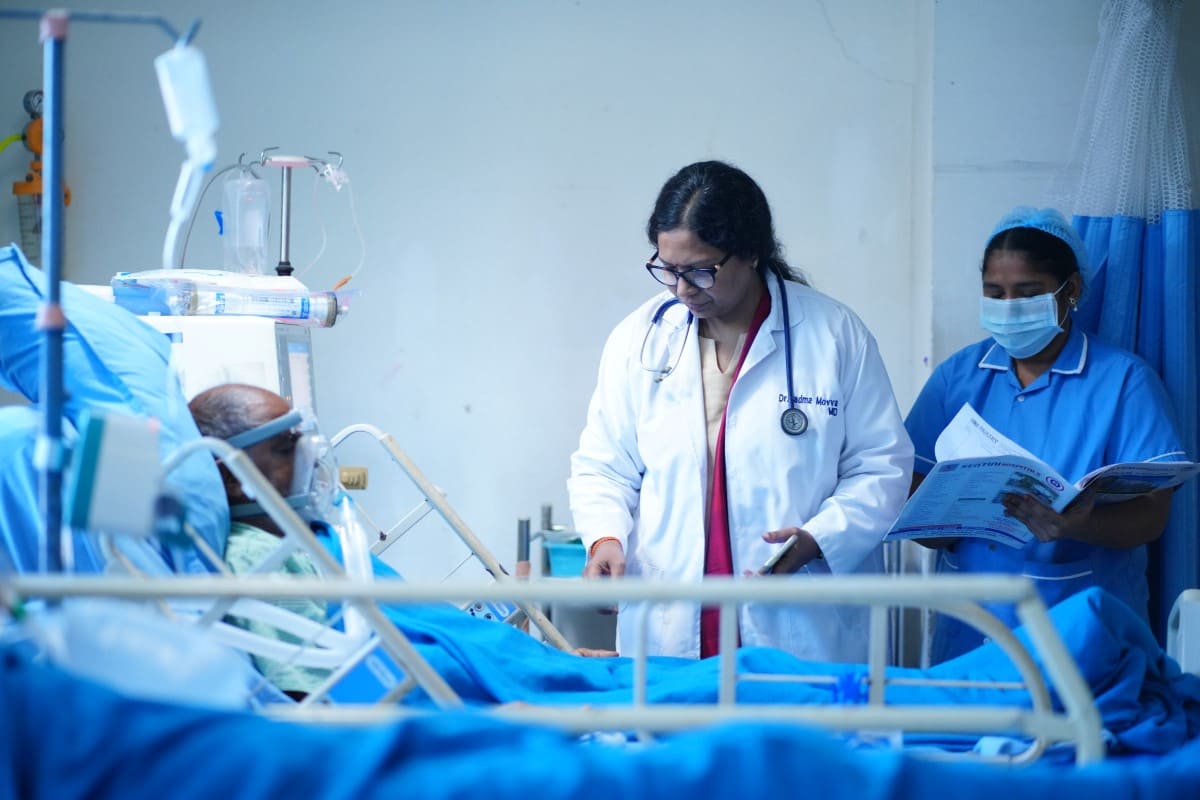
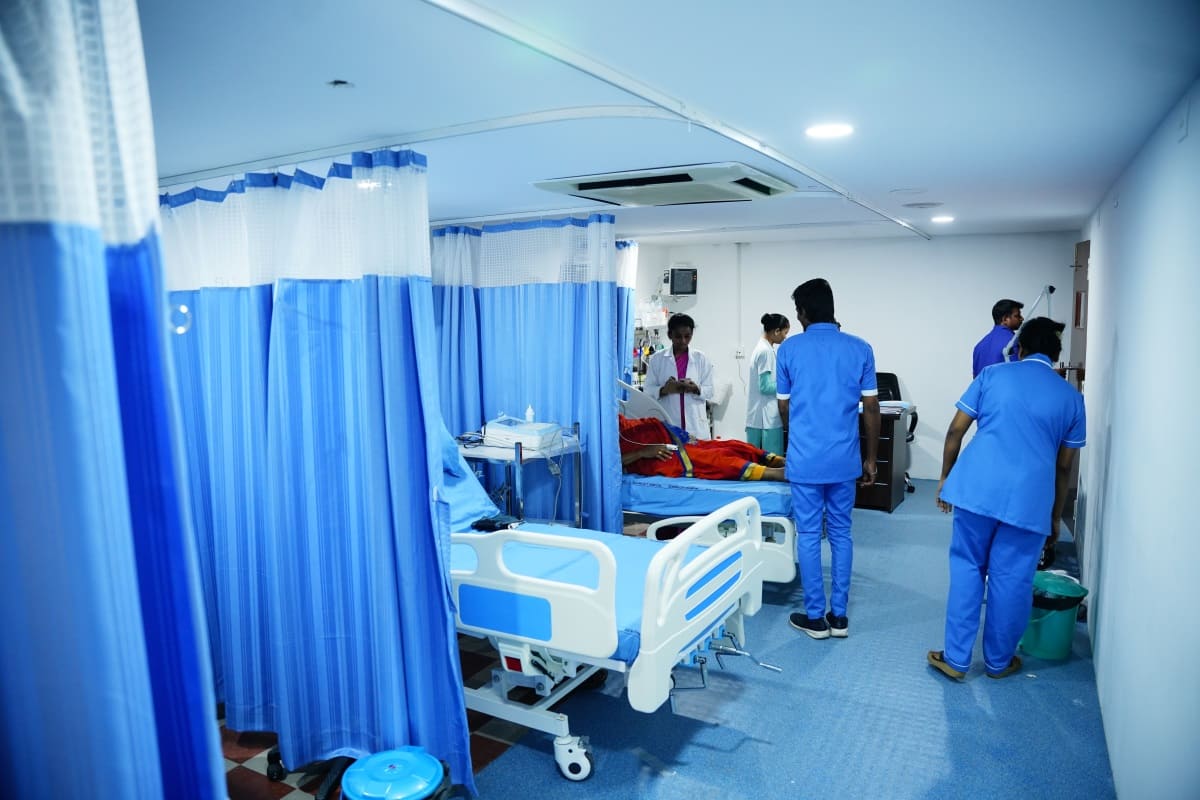
During the festival, it helps to know where to go before you need it. Sentini Hospitals is on Ring Road, opposite Novotel Hotel, Vijayawada, within reach of Gannavaram, Gudivada and nearby towns. Our trauma care department lists 24/7 trauma services, including care for burns and scalds, and patients who need intensive monitoring are supported by our critical care unit.
Frequently Asked Questions
What is the first thing to do for a firecracker burn?
Move the person away from the source and put out any flames, then hold the burn under cool running water for 20 minutes as soon as possible. Remove jewellery or clothing near the burn unless it is stuck to the skin, and cover the burn loosely with cling film or a clean cloth.
Should I put toothpaste, oil or ice on a burn?
No. Toothpaste, oil, butter, turmeric and creams can trap heat, raise the risk of infection and make it harder for doctors to assess the burn. Ice can damage the skin further. Use cool running water instead.
When should a firecracker burn be seen in hospital?
Go to an emergency department if the burn is large or deep, has white, brown or black skin, is on the face, eyes, hands, feet, genitals or joints, or was caused by chemicals or electricity. Also seek care for burns in children or older adults, and for any breathing difficulty after smoke exposure.
What should I do if a spark enters the eye?
Do not rub the eye. Rinse it gently with clean tap water for about 10 minutes, then go to a hospital. If something is stuck in the eye, do not try to remove it; cover the eye loosely and get emergency help.
Should I burst a burn blister?
No. Blisters protect the skin underneath as it heals. Bursting them increases the risk of infection. If a blister is large or painful, have it checked by a doctor.
Where can I get emergency burn care in Vijayawada?
Sentini Hospitals, on Ring Road opposite Novotel Hotel in Vijayawada, lists 24/7 trauma care, including burns and scalds. Call +91 9010726666 for help or directions.
Celebrate safely this Diwali
A little preparation goes a long way: keep water ready, supervise children and learn the 20-minute cooling rule. If someone is burnt during the celebrations in Vijayawada, Gannavaram or nearby, give first aid and seek medical care without delay. Call Sentini Hospitals on +91 9010726666 or find directions on our contact page.
Medical disclaimer: This article is for general awareness only and is not a substitute for professional medical advice. Please consult a qualified doctor for diagnosis and treatment.