COPD Symptoms and Early Diagnosis: A Guide for Gannavaram Families
A cough that never quite goes away. Getting breathless while climbing the stairs, carrying water or walking to the fields. Many people in Gannavaram and nearby villages accept these changes as "smoker's cough" or simply part of getting older. But long-lasting cough and breathlessness can be COPD symptoms, and finding chronic obstructive pulmonary disease early makes a real difference to daily life. With World COPD Day on 18 November 2026, this guide explains the signs, the causes, the test that confirms COPD and how it is managed.
Quick answer: COPD (chronic obstructive pulmonary disease) is a long-term lung condition that narrows the airways and damages the air sacs. The most common COPD symptoms are breathlessness on exertion, a cough lasting weeks or months, phlegm and wheezing. Tobacco smoke and smoke from cooking with wood, dung or crop waste are major causes. A simple breathing test called spirometry confirms the diagnosis. COPD cannot be fully reversed, but early diagnosis, treatment and lifestyle steps can ease symptoms and reduce flare-ups.
Understanding COPD: signs, causes, tests and care
What is COPD?
COPD is a common lung disease that causes restricted airflow and breathing problems. It is an umbrella term that includes chronic bronchitis (long-term inflammation of the airways with cough and mucus) and emphysema (damage to the tiny air sacs, called alveoli, where oxygen enters the blood).
When the airways narrow and the air sacs lose their stretch, air gets trapped in the lungs. Breathing out becomes harder, and the body has to work more to get enough oxygen. Over time this can limit walking, work and sleep.
According to the World Health Organization (WHO), COPD is the third most common cause of death worldwide and caused 3.4 million deaths in 2023, about 6% of all deaths. WHO also notes that almost 90% of COPD deaths in people under 70 occur in low- and middle-income countries such as India (WHO: COPD fact sheet).
World COPD Day 2026
World COPD Day is observed on 18 November 2026. The Global Initiative for Chronic Obstructive Lung Disease (GOLD) has chosen the theme "Early Diagnosis and Management for a Better Life", a reminder that many people live with COPD for years before it is recognised (GOLD: World COPD Day 2026).
Common COPD symptoms
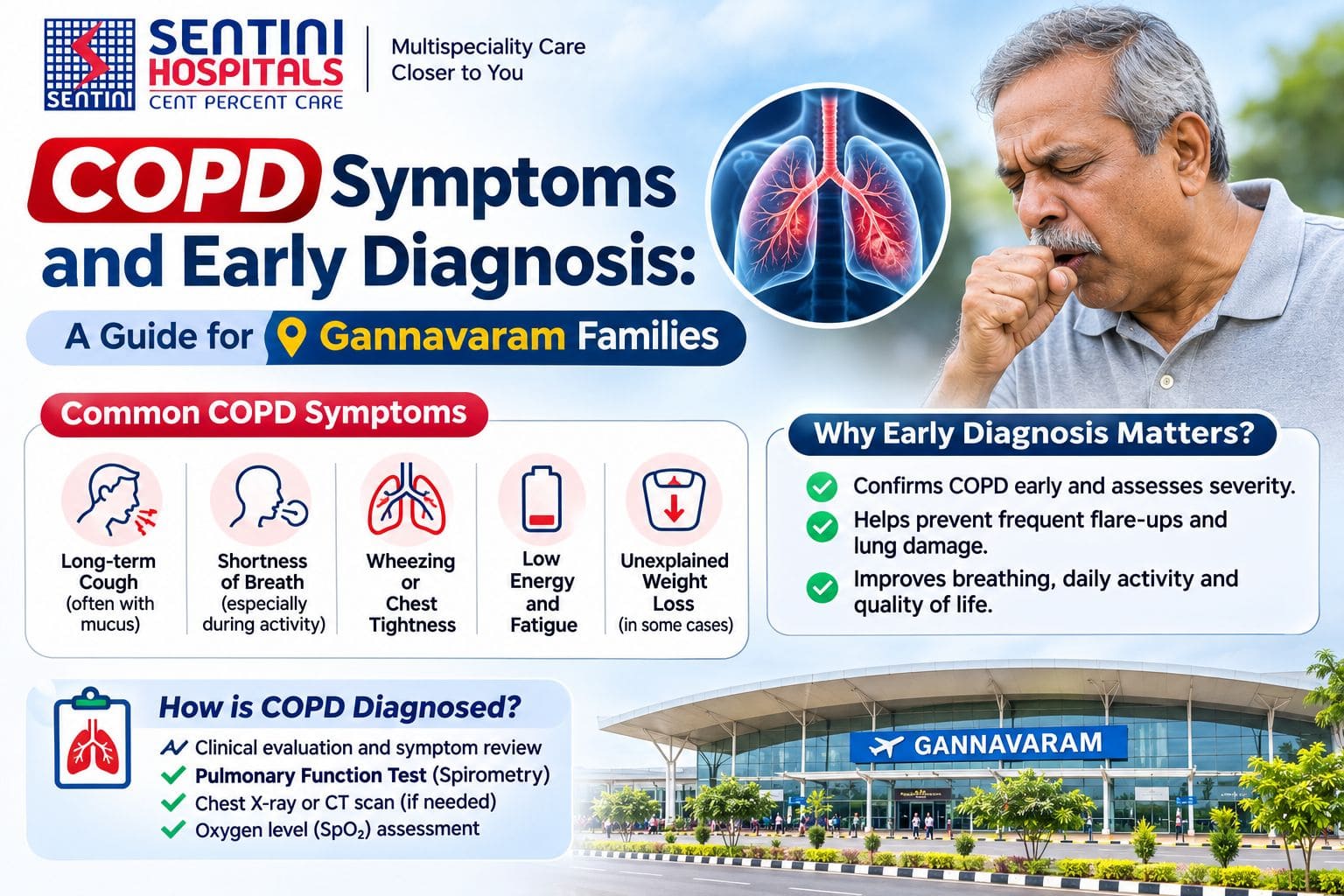
COPD symptoms usually develop slowly, often from the age of 40 onwards, and are easy to mistake for a "normal" cough or lack of fitness. Watch for:
- Breathlessness, first during activity such as climbing stairs, cycling or farm work, and later even at rest
- A cough that lasts for weeks or keeps coming back, often worse in the morning
- Phlegm (sputum) that is coughed up most days
- Wheezing, a whistling sound when breathing
- Chest tightness
- Frequent chest infections, or colds that "go to the chest" and take a long time to settle
- Tiredness and, in later stages, weight loss or swelling of the ankles
When COPD symptoms become an emergency
People with COPD can have flare-ups (exacerbations), when symptoms suddenly get much worse, often after a chest infection or exposure to smoke or dust.
Call 108 or go to the nearest emergency department if a person has severe breathlessness that does not settle with their usual inhaler, cannot speak in full sentences, has blue or grey lips or fingertips, becomes confused or very drowsy, or has chest pain.
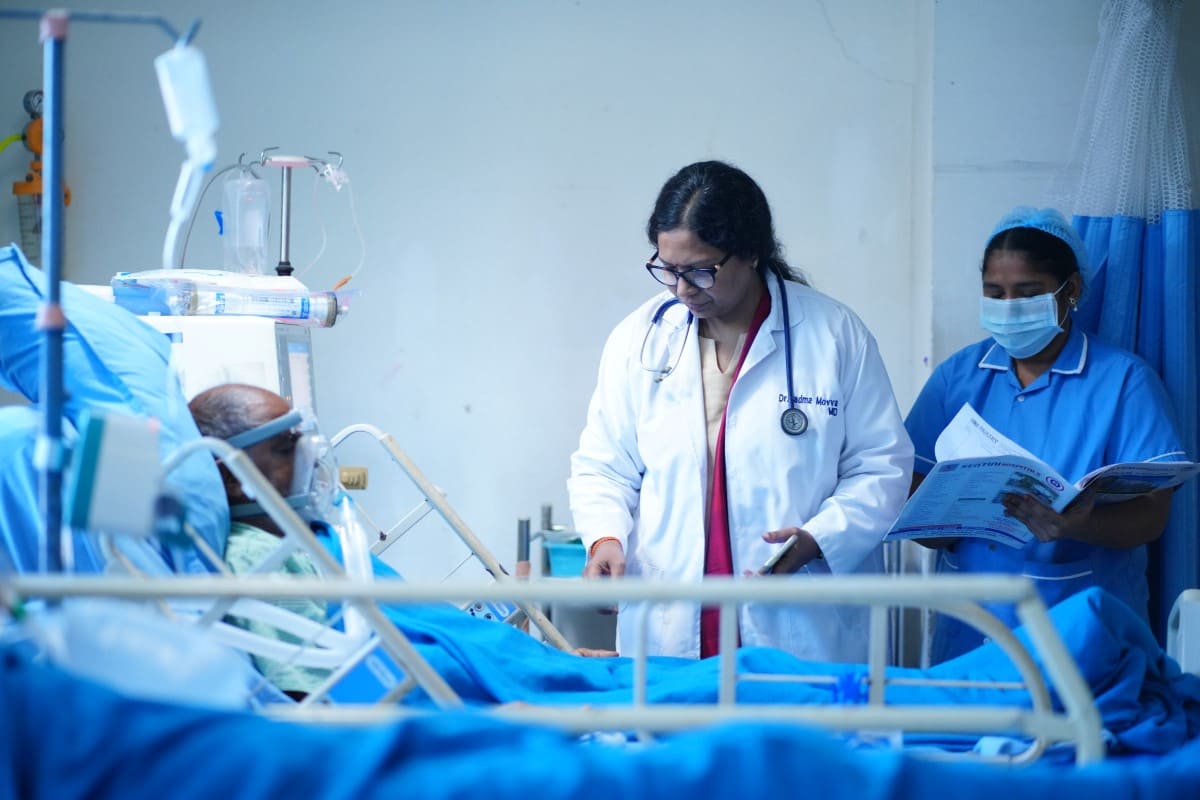
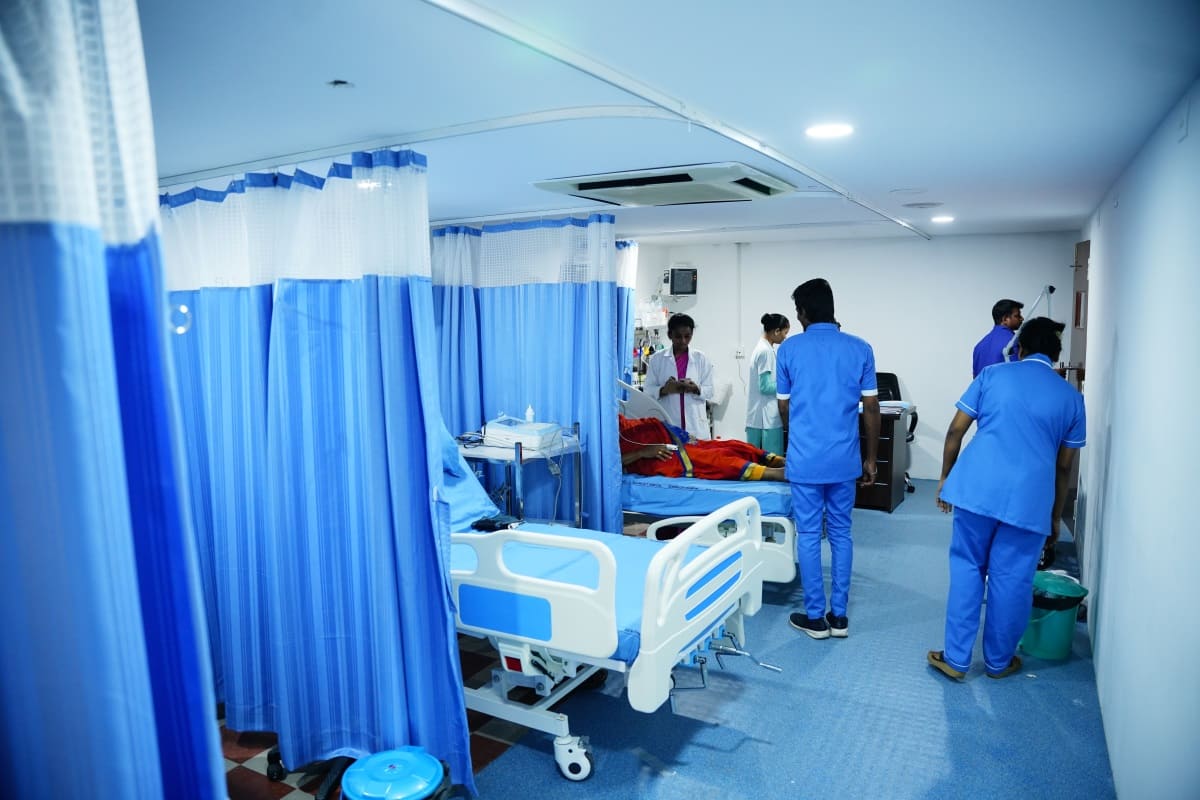
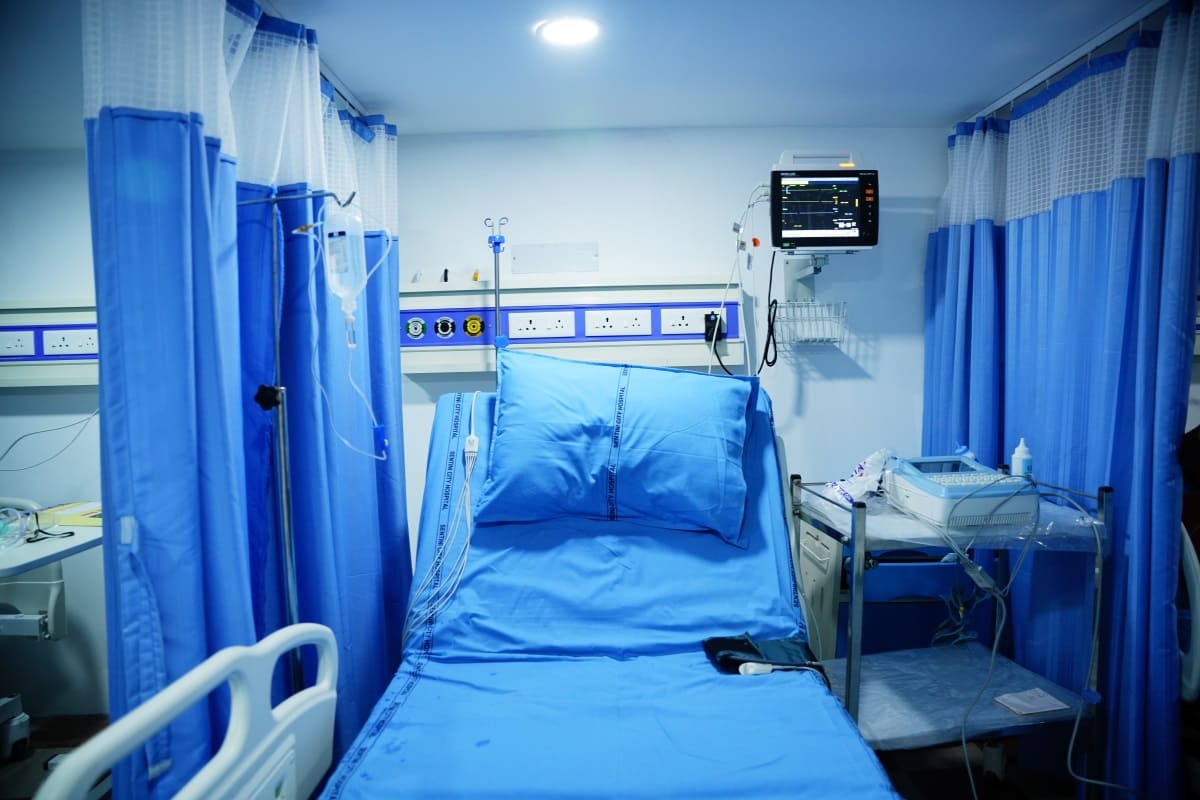
A flare-up needs prompt medical care. Sentini Hospitals has an intensive care unit managed round the clock by its Pulmonology and Critical Care team; you can read about the facilities on the critical care page.
What causes COPD?
Smoking is the most widely known cause, but it is not the only one. WHO notes that in low- and middle-income countries, tobacco smoking accounts for only 30–40% of COPD cases, and household air pollution is a major risk factor. The main risk factors are:
- Tobacco smoke, including cigarettes, beedis and second-hand smoke at home
- Smoke from cooking fires that burn wood, cow dung cakes or crop residue, especially in kitchens with poor ventilation
- Dust, fumes and chemicals at work, such as in construction, brick kilns, stone and mill work
- Outdoor air pollution, including vehicle exhaust and smoke from burning waste
- Early-life factors, such as poor lung growth in childhood, frequent childhood chest infections and childhood asthma
- A rare genetic condition called alpha-1 antitrypsin deficiency, which can cause COPD at a younger age
A local note for Gannavaram and rural Krishna district
Life in Gannavaram, Hanuman Junction and the villages along the National Highway mixes farm work, small industries and heavy road traffic. Some homes still use firewood or dung cakes for cooking or heating water, and women who have cooked over a chulha for many years may develop COPD even if they have never smoked.
Winter months, smoke from crop-residue burning and dust from construction can make breathing harder for people who already have weak lungs. If anyone in your family has a long-lasting cough or gets breathless more easily than before, it is worth getting their lungs checked rather than waiting.
How is COPD diagnosed?
The key test for COPD is spirometry, a simple, non-invasive breathing test. You take a deep breath and blow out as hard and as fast as you can into a mouthpiece connected to a machine. It measures how much air you can blow out and how quickly. WHO notes that COPD is confirmed with spirometry.
Your doctor may also suggest other tests to understand your lungs and rule out other conditions:
| Test | What it involves | Why it may be done |
|---|---|---|
| Spirometry | Blowing hard into a mouthpiece, sometimes before and after an inhaler | Confirms airflow limitation and helps grade COPD |
| Other pulmonary function tests | Lung volume and diffusion capacity tests, body plethysmography | Measure how much air the lungs hold and how well oxygen passes into the blood |
| Chest X-ray or CT scan | Imaging of the chest | Looks for emphysema and rules out other causes such as infection or tumours |
| Pulse oximetry and blood gases | A finger clip or a blood sample | Checks oxygen levels in the blood |
| Blood tests | A routine blood sample | Checks for anaemia, infection and, in selected people, alpha-1 antitrypsin levels |
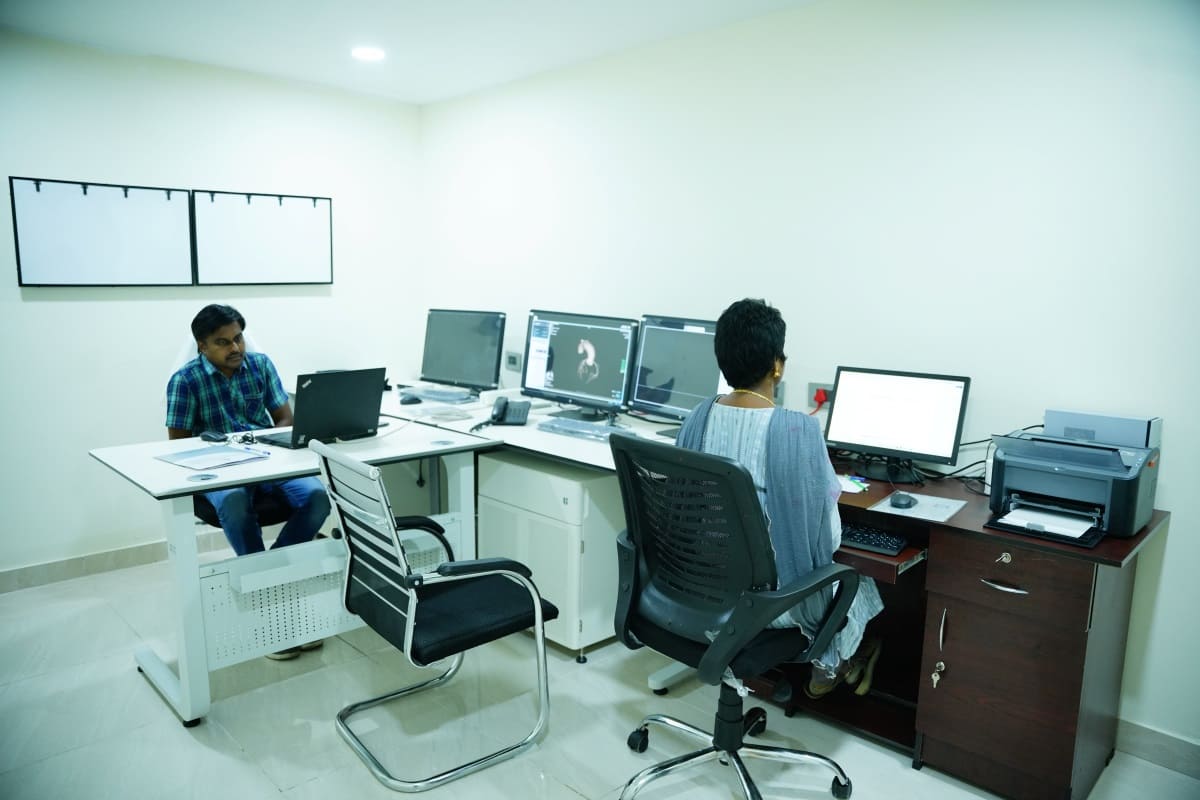
The pulmonology department at Sentini Hospitals lists pulmonary function tests including spirometry, lung volume and diffusion capacity tests and body plethysmography, along with bronchoscopy. Imaging such as CT is described on the diagnostics and imaging page.
COPD or asthma: what is the difference?
COPD and asthma can both cause cough, wheeze and breathlessness, and some people have features of both. In general:
- Asthma often starts in childhood or young adulthood, symptoms come and go, and airflow usually returns to normal between attacks.
- COPD usually starts after 40, often in people exposed to smoke for many years, and symptoms slowly get worse over time.
Only a doctor can tell them apart, usually with spirometry and a careful history, so it is important not to self-diagnose.
How is COPD managed?
COPD cannot be fully reversed, but treatment can ease breathlessness, reduce flare-ups and help people stay active. According to WHO, management can include:
- Stopping smoking and avoiding second-hand smoke. This is the most important step at any age.
- Inhaled medicines (bronchodilators) that open the airways. Using an inhaler correctly matters, so ask your doctor or nurse to check your technique.
- Steroids and antibiotics for some flare-ups, only as prescribed.
- Pulmonary rehabilitation, a programme of exercise, breathing techniques and education.
- Oxygen therapy for people with low oxygen levels, as advised by a doctor.
- Vaccines, such as influenza and pneumococcal vaccines, to lower the risk of chest infections. Ask your doctor which ones suit you.
Everyday steps to protect your lungs
Whether or not you have COPD, these steps help keep lungs healthier:
- Quit tobacco in all forms. Ask a doctor about support for quitting.
- Improve kitchen ventilation. Cook near an open window or door, use a chimney or exhaust where possible, and keep children away from cooking smoke. Cleaner fuels such as LPG reduce smoke exposure.
- Use protective masks at work if you are exposed to dust or fumes.
- Avoid burning garbage, leaves or crop residue near your home.
- Stay active. Regular walking, at a pace that suits you, helps your breathing muscles.
- Keep follow-up visits and carry your inhaler and prescriptions when you travel.
- Know your action plan. Ask your doctor what to do if your symptoms suddenly get worse.
When should you see a doctor?
Book a check-up if you or a family member:
- Is over 40 and has smoked, or has cooked over wood or dung fires for many years
- Has had a cough or phlegm on most days for several weeks
- Gets breathless more easily than people of the same age
- Has frequent chest infections or wheezing
- Has already been told they have COPD but symptoms are getting worse
Frequently Asked Questions
What are the first symptoms of COPD?
The early COPD symptoms are usually breathlessness during activity, a cough that lasts for weeks and phlegm on most days. They start slowly, so many people do not notice them until the disease has progressed. A spirometry test can confirm COPD.
Can a person who has never smoked get COPD?
Yes. WHO notes that household air pollution, such as smoke from cooking with wood, dung or crop residue, is a major risk factor in low- and middle-income countries. Work-related dust and fumes, outdoor air pollution, childhood lung problems and a rare genetic condition can also cause COPD.
Is spirometry painful or risky?
Spirometry is a simple, non-invasive breathing test. You blow hard and fast into a mouthpiece several times. Some people feel briefly tired or light-headed. Your doctor will tell you if you need to avoid the test for any reason, for example soon after certain surgeries.
Can COPD be reversed?
The lung damage in COPD cannot be fully reversed, but symptoms can be managed. Stopping smoking, using inhaled medicines correctly, pulmonary rehabilitation, vaccines and avoiding smoke can help people breathe more easily and have fewer flare-ups.
What should I do if someone with COPD has sudden severe breathlessness?
Help them sit upright, use their prescribed reliever inhaler as advised by their doctor, and call 108 or go to the nearest emergency department if breathlessness does not settle, lips turn blue or grey, or they become confused or drowsy.
Talk to the pulmonology team at Sentini Hospitals
If you live in Gannavaram, Vijayawada or anywhere in Krishna district and have a long-lasting cough or breathlessness, a lung check-up with spirometry can help find the cause. To book an appointment with the Pulmonology department at Sentini Hospitals, call +91 9010726666 or use the contact page. For a breathing emergency, call 108.
Disclaimer: This article is for general health education and does not replace a consultation with a qualified doctor. Do not start, stop or change any medicine without medical advice. Information is based on WHO and GOLD sources accessed on 31 October 2026.