.png)
Best Cardiology Hospital in Vijayawada | Winter Heart Care
Heart Attack in Winter: Why Cardiac Emergencies Rise – Best Cardiology Hospital in Vijayawada
It is a cool December morning. Your father steps out for his usual walk. The air is chilly, so he walks faster to stay warm. Ten minutes later, he feels a heavy pressure in his chest.
Stories like this are common every winter. Doctors see more heart attacks when the temperature drops. Knowing the warning signs, and the best cardiology hospital in Vijayawada to turn to, can save a life.
In this guide, you will learn why cold weather strains the heart. You will see who is at risk and which symptoms to watch for. You will also learn what to do in an emergency and how to protect your family this season. Read on, and share this with the people you love.
Why Do Heart Attacks Rise in Winter?
A heart attack happens when blood flow to the heart muscle is blocked. Without blood, the muscle starts to get damaged. Winter puts extra stress on this system in several ways.
Cold narrows your blood vessels
When you feel cold, your body tries to save heat. Blood vessels become narrow. This makes it harder for blood to flow. The heart must push harder to move blood around the body.
Blood pressure goes up
Narrow vessels raise blood pressure. High blood pressure is one of the biggest triggers of heart attacks. Many people notice higher readings in winter, even if they take their medicines.
Blood can become thicker
Cold weather can make blood slightly thicker and more likely to clot. A clot in a heart artery is what causes most heart attacks.
The heart works harder to keep you warm
Your body burns more energy to maintain its temperature. A heart that is already weak or blocked may not cope with this extra work.
Lifestyle changes in winter
Several everyday habits also change when the weather turns cold:
- You exercise less because mornings feel too cold.
- You eat heavier, oilier and sweeter food during the festive season.
- You may drink less water because you do not feel thirsty.
- You may sleep less or sleep at odd hours.
- Colds, flu and chest infections are more common. These put stress on the heart.
- Lower sunlight can affect mood and vitamin D levels.
None of these is dangerous alone. Together, they can tip a vulnerable heart into an emergency.
Who Is Most at Risk?
Anyone can have a heart attack. But some people face a higher risk, especially in cold weather. You should be extra careful if you or a family member:
- Has diabetes (high blood sugar)
- Has high blood pressure
- Has high cholesterol (too much fat in the blood)
- Smokes or chews tobacco
- Has a family history of heart disease
- Is above 50 years of age, or above 40 with other risk factors
- Has had a heart attack, stent or bypass before
- Is overweight or has a very inactive lifestyle
- Lives with long-term stress or poor sleep
If you have even two or three of these, speak to a heart doctor before winter gets colder. A simple check-up now can prevent a crisis later.
A note for younger adults
Heart attacks are no longer only a problem of old age. Doctors in India are seeing more cases in people in their 30s and 40s. Smoking, stress, long working hours and poor diet are common reasons. Do not ignore chest discomfort just because you feel young.
Heart Attack Symptoms: What to Look For
Many people expect a heart attack to look like a movie scene, with someone grabbing their chest and falling. In real life, it is often quieter. Learning the signs early helps you act fast.
Common symptoms
- Pressure, tightness, squeezing or heaviness in the centre of the chest
- Pain that spreads to the left arm, shoulder, neck, jaw or back
- Shortness of breath, with or without chest pain
- Cold sweat
- Nausea or vomiting
- Sudden dizziness or feeling faint
- Unusual tiredness or weakness
The chest discomfort may last more than a few minutes. It can also go away and come back.
Symptoms in women
Women may not always feel strong chest pain. They often notice other signs, such as:
- Unusual tiredness for days
- Pain in the upper back, jaw or neck
- Nausea, vomiting or pain in the upper stomach
- Shortness of breath
- Light-headedness
Because these signs look like "normal" tiredness or acidity, women often delay getting help. Please take them seriously.
Silent heart attacks
Some people, especially those with diabetes and older adults, may have very mild symptoms or none at all. This is called a silent heart attack. It may feel like indigestion or a general feeling of being unwell. A heart check-up is the best way to catch hidden problems.
Chest pain? Do not wait. Call 108 or visit our emergency department. Sentini Hospitals, 54-15-5 B&C, Ring Rd, Opposite Novotel Hotel, Vijayawada, Andhra Pradesh 520008. Phone: +91 9010726666
Heart Attack or Gas? How to Tell the Difference
This is one of the most common questions families ask. Heart pain and stomach pain can feel similar. But there are some clues.
Gas or acidity
- Burning feeling in the upper stomach or chest
- Often linked to a meal, spicy food or lying down
- May ease after burping, passing gas or taking an antacid
- Usually does not cause sweating or breathlessness
Panic attack
- Fast heartbeat and fast breathing
- Tingling in hands or around the mouth
- Strong fear or a sense of losing control
- Often triggered by stress and usually settles within about 20 to 30 minutes
Heart attack
- Pressure or heaviness, like a weight on the chest
- Pain that spreads to the arm, jaw or back
- Cold sweat, breathlessness, nausea or dizziness
- Does not ease with rest or with an antacid
Here is a simple rule: if you are not sure, treat it as a heart attack. It is far safer to go to the hospital and find out it was gas than to stay at home and miss a heart attack. Only a doctor, with an ECG and other tests, can say for sure.
What to Do in the First Minutes of a Suspected Heart Attack
Every minute counts. If you or someone near you shows the signs above, follow these steps:
- Call 108 right away. Do not wait to see if the pain goes away. Tell them it may be a heart attack.
- Stop all activity. Sit down or lie in a comfortable, half-seated position.
- Stay calm and loosen tight clothes. Slow breathing helps.
- Unlock the door and keep the phone close. Ask a family member or neighbour to stay with the person.
- Ask the emergency team about aspirin. Aspirin may be advised in some cases. Chew it only if the person is not allergic and the emergency service or a doctor tells you to.
- Do not drive yourself. Chest pain can get worse suddenly, and you may lose consciousness. Let the ambulance or someone else drive.
- Be ready to share information. Keep medicine lists, old reports and ID handy, if you can.
If the person collapses and is not breathing, stay on the line with the emergency operator. They will guide you through chest compressions (CPR) until help arrives.
What not to do
- Do not take home remedies and wait.
- Do not take someone's pills without medical advice.
- Do not give food or drink to a person who is very unwell or drowsy.
- Do not wait until morning.
Why the "Golden Hour" Matters
Doctors often talk about the "Golden Hour" in a heart attack. It means the first hour after symptoms begin. During this time, treatment works best.
A blocked heart artery starves the muscle of blood. The longer it stays blocked, the more muscle dies. Dead muscle does not grow back. This can lead to weak heart function, heart failure or dangerous heart rhythms.
When the artery is opened quickly, more heart muscle is saved. Recovery is usually better and the risk of complications is lower.
Sadly, many families lose precious time. They try home remedies, wait for the pain to pass or travel far to a hospital of their choice. Each delay costs heart muscle.
That is why it is wise to know, before an emergency happens, which hospital near you has round-the-clock emergency and heart care. Save the number in your phone. Share it with your family. If you live around Tadepalli, Mangalagiri, Amaravati or Gannavaram, a well-equipped heart hospital near Tadepalli and Vijayawada can help you reach care faster.
Winter Heart-Care Tips for Your Family
The best treatment is prevention. These simple habits protect your heart through the cold months.
Dress warm, especially in the morning
- Wear layers, a cap and socks. Cover your chest, head and ears.
- Avoid stepping out suddenly from a warm room into cold air.
Exercise safely
- Walk after sunrise, not in the dark or very early cold hours.
- Warm up for 5 to 10 minutes before a brisk walk.
- Avoid sudden heavy effort, such as lifting heavy loads or rushing uphill in the cold.
- If you feel chest discomfort or breathlessness, stop and rest.
Eat for your heart
- Choose home-cooked food with vegetables, fruits, dals and whole grains.
- Limit fried snacks, sweets, extra salt and processed food.
- Enjoy festive meals in small portions.
- Add nuts, seeds and fish if your doctor agrees.
Drink enough water
Do not wait to feel thirsty. Warm water or herbal drinks can keep you hydrated. If you have heart failure or kidney problems, ask your doctor how much fluid is right for you.
Take medicines on time
- Never skip or stop heart, blood pressure or diabetes medicines without asking your doctor.
- Keep a weekly pill box to avoid missing doses.
Monitor your numbers
Check blood pressure and blood sugar regularly, and note any changes. Winter often needs medicine adjustments, which only your doctor should make.
Other healthy habits
- Quit smoking and tobacco. Your risk starts to fall once you stop.
- Sleep 7 to 8 hours each night.
- Manage stress with prayer, light yoga, music or time with family.
- Get your flu and other recommended vaccines after talking to your doctor.
A yearly heart check-up is also a smart habit, especially after 40 or with any risk factor. You can explore the full range of health services at Sentini Hospitals to plan a check-up that suits you.
Heart Attack Treatment: Tests and Care at the Best Cardiology Hospital in Vijayawada
If a heart problem is suspected, doctors use a few key tests. Here is what they mean in simple words.
Common tests
- ECG (electrocardiogram): A quick test that records your heart's electrical activity. It can show signs of a heart attack within minutes.
- Blood tests: These check for markers that rise when the heart muscle is damaged.
- Echo (echocardiogram): An ultrasound scan that shows how well your heart is pumping.
- TMT (treadmill test): You walk on a treadmill while your heart is monitored. It checks how the heart behaves under stress.
- Angiography: A special X-ray test that shows blocks in the heart arteries.
Common treatments
- Medicines: These can open or prevent clots, control blood pressure and cholesterol, and protect the heart.
- Angioplasty and stent: A thin tube is used to open the blocked artery, and a small mesh tube (stent) keeps it open.
- Bypass surgery: In some cases, doctors create a new path for blood to reach the heart.
- Rehabilitation and follow-up: Supervised exercise, diet advice and regular visits help you recover and prevent another attack.
The right treatment depends on each patient. Only a qualified cardiologist can decide after proper evaluation.
Sentini Hospitals also supports training and learning in heart care through its Institute of Cardiology, which reflects its focus on cardiac excellence.
Why Choose Sentini Hospitals as the Best Cardiology Hospital in Vijayawada?
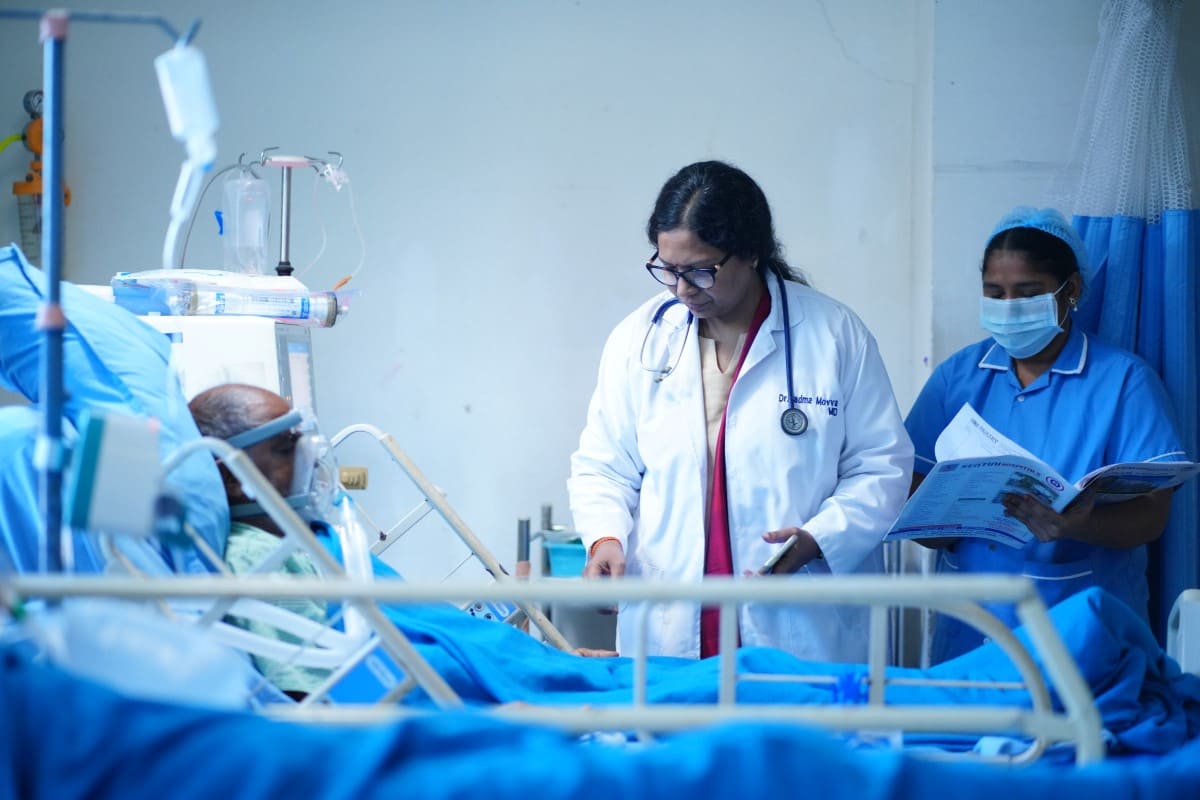
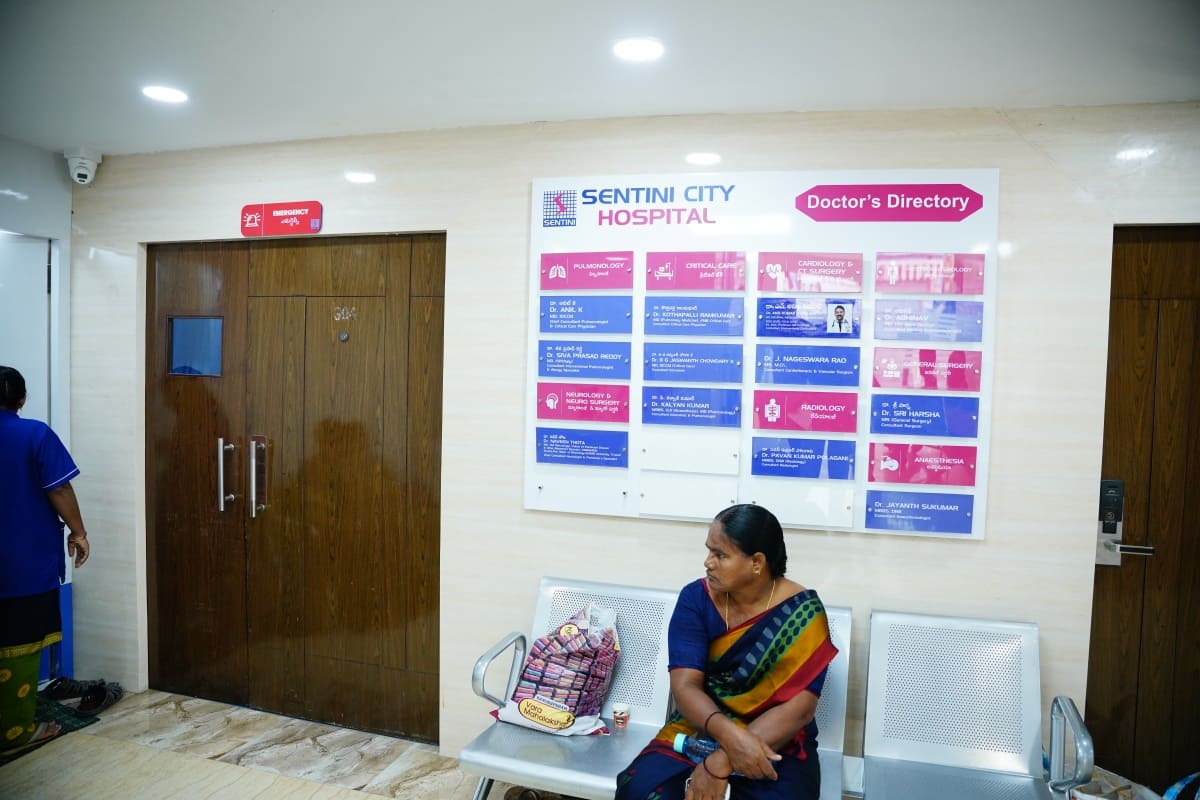
When your heart is at risk, you need a hospital that is ready, skilled and caring. Sentini Hospitals is a multi-specialty hospital with a 150-bed facility in Vijayawada. It combines modern infrastructure with a dedicated medical team.
Here is what families look for in a heart hospital, and how Sentini Hospitals supports them:
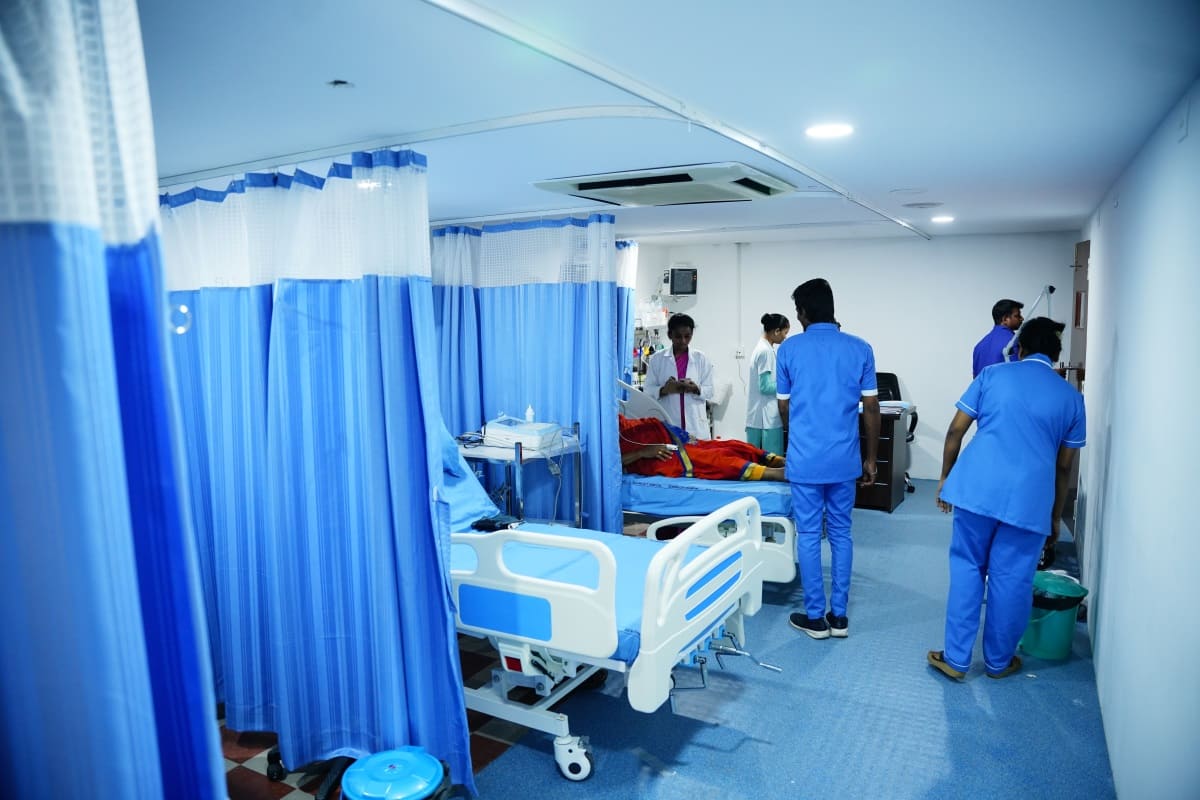
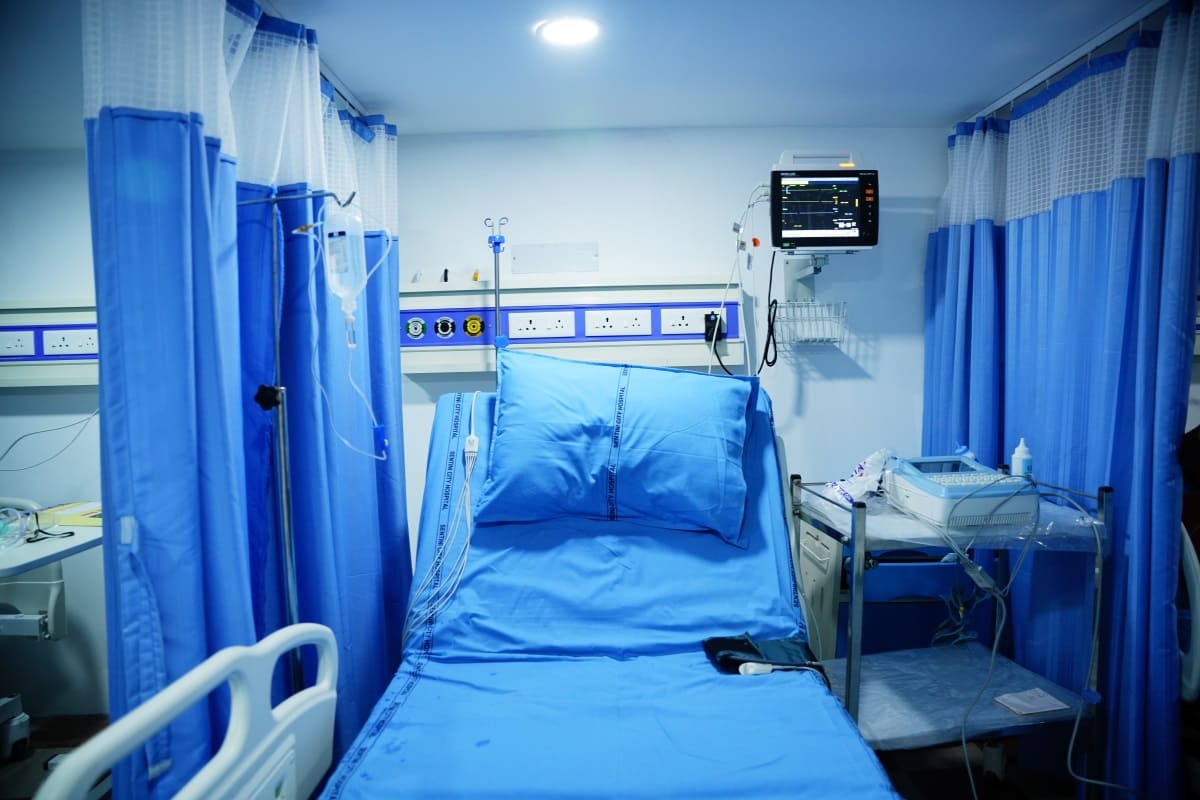
- Emergency and critical care: Heart attacks need fast action. Sentini Hospitals offers emergency and critical care services for urgent cases.
- Dedicated cardiac focus: The Institute of Cardiology reflects the hospital's commitment to heart care.
- Multi-specialty support: Heart patients often need help from neurology, pulmonology, gastro and other specialists. All of this is under one roof.
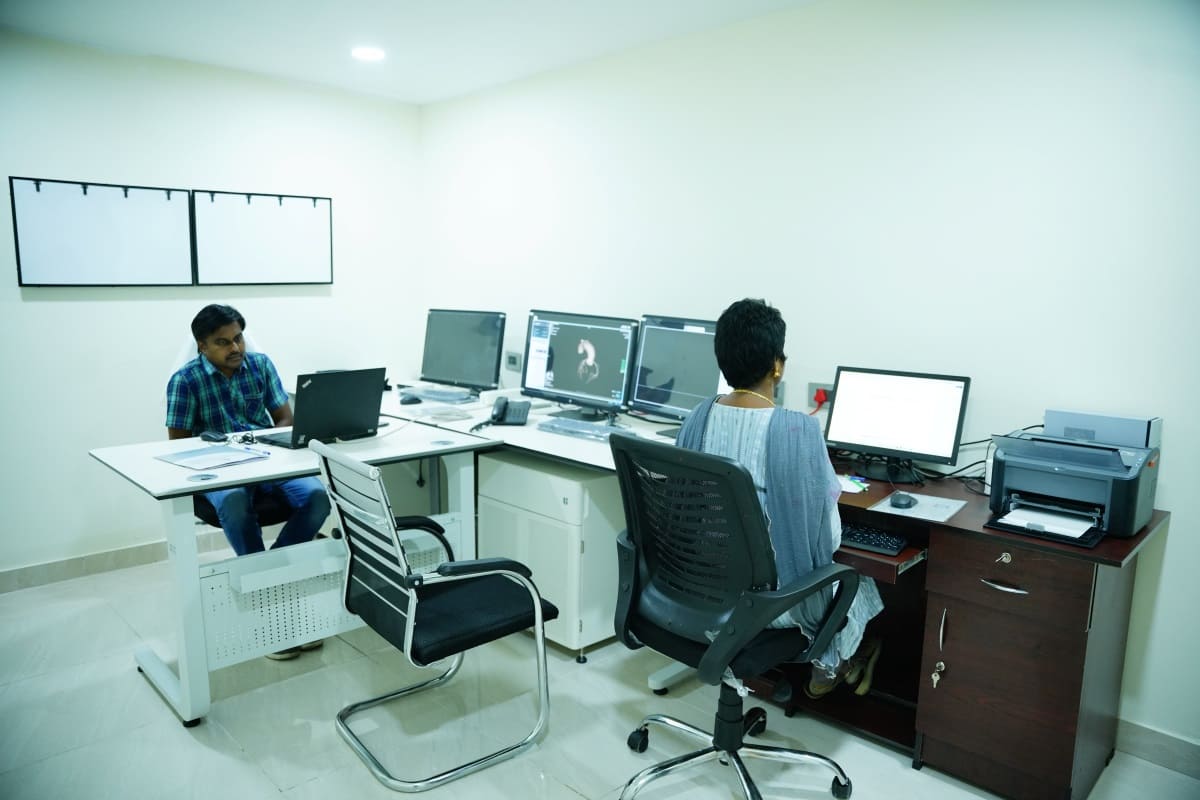
- Advanced infrastructure: Modern facilities help doctors diagnose and treat quickly.
- Compassionate, personalised care: Every patient and family is treated with respect and clear communication.
- Convenient location: The hospital is on Ring Road, opposite Novotel Hotel, easy to reach from Tadepalli, Mangalagiri, Amaravati and Gannavaram.
To learn more about our vision, doctors and facilities, visit the About Us page.
Frequently Asked Questions
1. Why do heart attacks happen more in winter?
Cold air narrows blood vessels, raises blood pressure and makes the heart work harder. Blood can also become thicker and clot more easily. Less exercise, heavy food and infections add to the strain. Together, these factors raise the risk, especially for people with existing heart problems.
2. What are the early warning signs of a heart attack?
Watch for chest pressure or heaviness, pain spreading to the arm, jaw or back, breathlessness, cold sweat, nausea and sudden weakness. Women and people with diabetes may have milder or unusual signs. If you notice any of these, call 108 immediately instead of waiting.
3. Can a heart attack be prevented in winter?
In many cases, the risk can be reduced. Dress warmly, exercise safely, eat light and healthy food, take medicines on time, quit tobacco and control blood pressure and sugar. Regular check-ups help catch problems early. Talk to a cardiologist for advice that suits your health.
4. Which hospital should I go to in a heart emergency?
Choose the nearest hospital with 24-hour emergency and cardiac care. Do not delay by travelling far. Call 108 and tell them it may be a heart attack. You can also contact Sentini Hospitals through our Contact Us page or call +91 9010726666.
5. When should I get a heart check-up?
If you are above 40, or have diabetes, high blood pressure, high cholesterol, a family history of heart disease or a smoking habit, get checked once a year. Do it sooner if you have chest discomfort, breathlessness or unusual tiredness.
Conclusion: Protect Your Heart This Winter
Winter brings festivals, family time and cool evenings. It also brings extra strain on the heart. The good news is that most of the risk can be managed with awareness, healthy habits and quick action.
Remember these key points:
- Cold weather narrows blood vessels and raises blood pressure.
- Know the symptoms, including the quiet ones in women and people with diabetes.
- If in doubt, treat chest pain as an emergency and call 108.
- Act within the Golden Hour.
- Keep up your medicines, healthy food and safe exercise.
Choosing the best cardiology hospital in Vijayawada before an emergency happens gives your family peace of mind. If you have risk factors or have not had a heart check-up recently, do not wait for symptoms.
Book your heart check-up today. Book an appointment with Sentini Hospitals or call +91 9010726666. Sentini Hospitals, 54-15-5 B&C, Ring Rd, Opposite Novotel Hotel, Vijayawada, Andhra Pradesh 520008.
Disclaimer: This article is for general awareness and does not replace advice from a qualified doctor. If you have chest pain or other heart attack symptoms, call 108 or go to the nearest emergency department immediately.