Best Medical Care Hospital in Vijayawada | When to Call 108
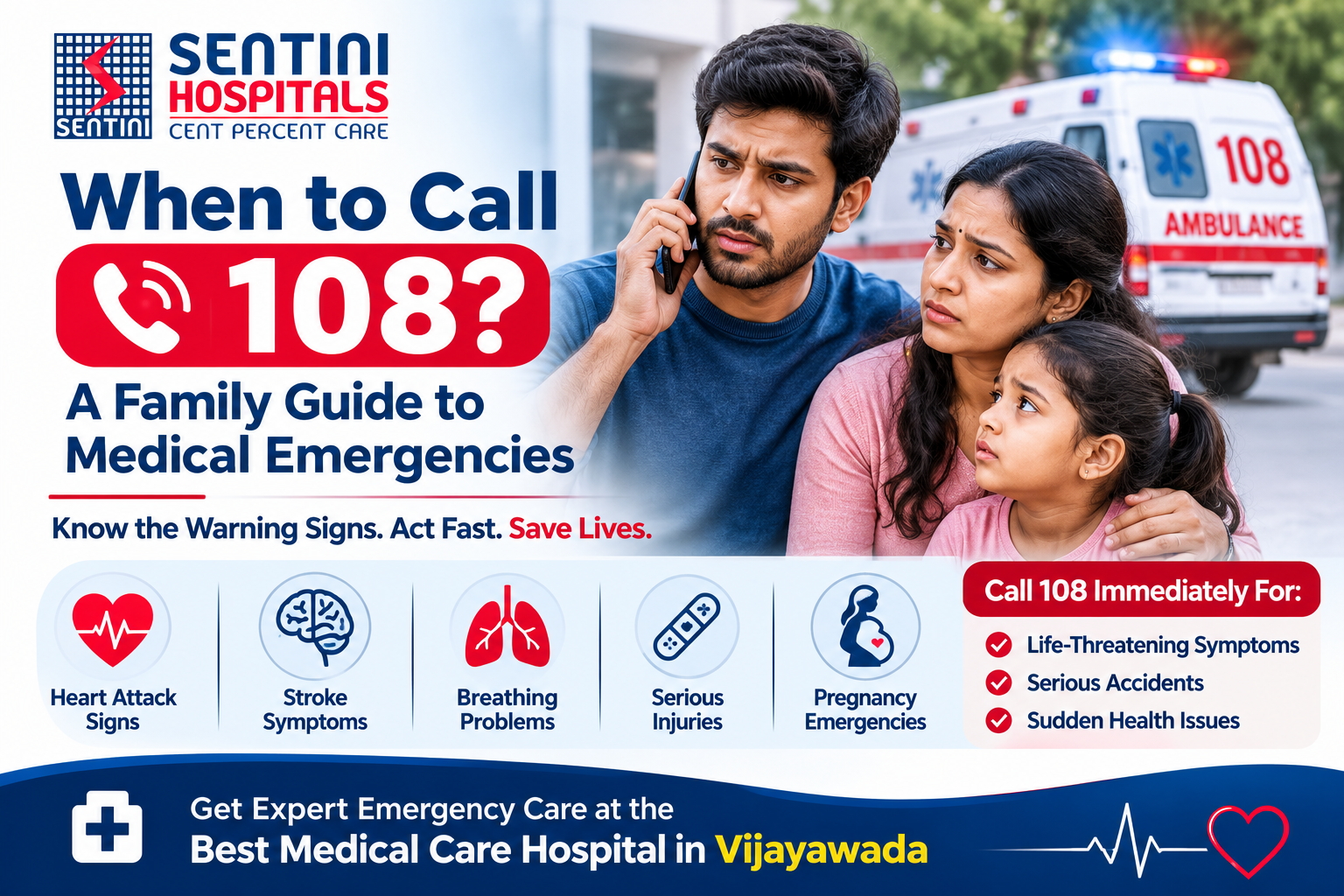
When to Call 108: A Family Guide to Medical Emergencies | Best Medical Care Hospital in Vijayawada
It is 2 a.m. Your mother wakes up with sudden chest pain. Or your child has a fever and will not wake up properly. Your mind races. Should you call an ambulance, or drive to the hospital yourself?
Most families feel unsure in moments like this. That doubt can cost precious time. Knowing when to call 108, and which is the best medical care hospital in Vijayawada to go to, can save a life.
In this guide, you will learn the warning signs that need an ambulance. You will see what to say on the call and what to do while you wait. You will also learn how to prepare your family before an emergency happens. Save this page and share it with your loved ones.
What Is a Medical Emergency?
A medical emergency is a sudden illness or injury that puts life, a limb or a body function at risk. It needs urgent medical help, often within minutes.
Not every health problem is an emergency. A mild cold or a small cut can wait for a doctor's visit. But some problems cannot wait at all.
Why 108 matters
108 is the emergency ambulance number used across Andhra Pradesh and many other Indian states. A trained team comes with a vehicle equipped for emergencies. They can start basic treatment on the way to the hospital.
This is a big advantage. Treatment can begin before you even reach the emergency room. You also avoid the risk of driving in panic.
A simple test
Ask yourself three questions:
- Is the person's life in danger right now?
- Could the condition get worse quickly?
- Would moving the person on my own make things worse?
If the answer to any of these is yes, or you are not sure, call 108.
Call 108 Right Away If You See These Signs
The signs below need an ambulance. Do not wait to see if they pass.
Heart attack warning signs
- Pressure, tightness or heavy pain in the chest
- Pain spreading to the arm, jaw, neck or back
- Cold sweat, nausea or sudden breathlessness
- Sudden weakness or feeling faint
Women and people with diabetes may have milder signs, such as unusual tiredness or upper stomach pain. Take these seriously too.
Stroke warning signs
A stroke happens when blood flow to part of the brain is blocked or a blood vessel bursts. Remember the FAST test:
- F (Face): One side of the face droops when the person smiles.
- A (Arm): One arm is weak or drifts down when both arms are raised.
- S (Speech): Speech is slurred, strange or hard to understand.
- T (Time): Call 108 immediately. Note the time the signs began.
Sudden severe headache, loss of vision, confusion or loss of balance are also danger signs.
Breathing problems
- Severe difficulty in breathing or gasping
- Blue or grey lips or face
- Choking that does not clear
- A serious asthma attack that does not ease with the usual inhaler
Serious injuries and accidents
- Heavy bleeding that does not stop after 10 minutes of firm pressure
- Head injury with vomiting, drowsiness, fits or loss of consciousness
- Suspected neck or back injury
- Deep wounds, broken bones that stick out or crush injuries
- Road accidents with injury
Loss of consciousness and fits
- A person who faints and does not wake up quickly
- A person who cannot be woken at all
- A fit (seizure) that lasts more than five minutes
- Repeated fits, or a fit in a person who has never had one
Poisoning, bites and burns
- Swallowing medicines, pesticides, cleaning liquids or any poison
- Snakebite, even if the snake was not seen clearly
- Severe burns, or burns on the face, hands or large areas of the body
- Electric shock
Special situations
- Pregnancy: Heavy bleeding, severe stomach pain, fits, sudden swelling of the face or hands, or reduced baby movements
- Babies and children: Very high fever with stiff neck, rash or drowsiness, trouble breathing, repeated vomiting, or a baby who is limp or not feeding
- Severe allergic reaction: Swelling of the face or throat, wheezing, widespread hives or dizziness after a sting, food or medicine
- Diabetes emergency: Confusion, shaking, heavy sweating or unconsciousness in a person with diabetes
- Thoughts of self-harm: If someone may harm themselves, stay with them and call for help immediately
Emergency or Urgent? How to Decide
Some problems need quick care but not always an ambulance. Knowing the difference saves time and keeps ambulances free for the most critical patients.
Call 108 (emergency)
- The person is unconscious, not breathing or struggling to breathe
- Chest pain, stroke signs or heavy bleeding
- Serious accident or injury
- Poisoning, snakebite or severe burns
- Fits that do not stop
Go to the hospital promptly (urgent)
These usually need a doctor within a few hours. A family member can usually take the person in a car, if the person is stable.
- Fever that lasts more than three days
- Vomiting or loose motions with signs of dehydration
- A deep cut that may need stitches but is not bleeding heavily
- A sprain or a suspected simple fracture
- Ear pain, urinary pain or a painful boil
See your doctor (non-urgent)
- Mild cold, cough or sore throat
- Mild headache or body ache
- Minor skin rashes
- Routine check-ups and medicine refills
When in doubt
If you are not sure, call 108 or the hospital's emergency number and describe the problem. It is always better to ask than to wait. Never feel embarrassed about calling for help that turns out not to be needed.
What to Say When You Call 108
A clear call helps the team reach you faster. Try to stay calm and speak slowly.
- Say what happened. For example, "My father has severe chest pain and is sweating."
- Give the exact address. Include the house number, street, area and a nearby landmark.
- Share your phone number. Keep the phone free so they can call you back.
- Describe the patient. Give the age, whether the person is awake and breathing, and any known illness.
- Answer questions and follow instructions. The operator may guide you through first aid.
- Do not hang up first. Wait until the operator says you can end the call.
After the call, send someone to the gate or main road to guide the ambulance. In apartments, ask the security guard to keep the lift ready.
Tell the team about medicines and allergies
If you can, keep these ready:
- A list of current medicines
- Any known allergies
- Previous reports or discharge papers
- The patient's ID and insurance details
If these are not at hand, do not delay. Reaching the hospital is the first priority.
First Aid While You Wait for the Ambulance
The minutes before help arrives matter. These steps are simple and widely accepted. They do not replace professional care.
If someone may be having a heart attack
- Help the person sit down and stay calm.
- Loosen tight clothing.
- Do not let the person walk around or climb stairs.
- Ask the 108 operator or a doctor whether aspirin is suitable. Give it only if advised and the person is not allergic.
If someone may be having a stroke
- Note the time the signs started. Doctors need this.
- Keep the person lying down or resting comfortably with the head slightly raised.
- Do not give food, water or medicines by mouth.
If someone is bleeding
- Press firmly on the wound with a clean cloth.
- Do not remove the cloth if it soaks. Add another on top.
- Raise the injured limb if it is not broken.
If someone has fainted
- Lay the person flat and raise the legs slightly.
- Check breathing. If the person is not breathing normally, call 108 and start chest compressions if you know how.
- Do not splash water on the face or give anything to drink until fully awake.
If someone is having a fit
- Move hard or sharp objects away.
- Place something soft under the head.
- Turn the person onto one side once the shaking stops.
- Do not put anything in the mouth. Do not hold the person down.
If someone is choking
- Encourage coughing if the person can still cough or speak.
- If the person cannot breathe, speak or cough, call 108 and give firm back blows and abdominal thrusts if you have been trained.
If someone has a snakebite
- Keep the person calm and as still as possible.
- Keep the bitten limb below heart level and remove rings or tight items.
- Do not cut the bite, suck the venom or tie a tight band.
- Reach the hospital quickly. Anti-snake venom is given only in hospitals.
If someone has a burn
- Cool the burn under clean running water for at least 10 to 20 minutes.
- Remove rings and loose clothing near the area, unless stuck to the skin.
- Do not apply toothpaste, butter, oil or ice.
Common Mistakes Families Make in Emergencies
In panic, even caring families make choices that cause delay. Avoid these mistakes.
- Waiting to see if it gets better. Chest pain, stroke signs and breathing trouble can worsen in minutes.
- Driving the patient yourself in a serious emergency. The patient may collapse on the way, and you cannot help while driving.
- Trying home remedies first. These waste time and may do harm.
- Giving medicines without advice. Tablets from an earlier illness may not be right now.
- Going to the nearest clinic that cannot handle emergencies. Choose a hospital with emergency and critical care.
- Moving an injured person unnecessarily. This can worsen spine or head injuries.
- Crowding around the patient. Give the person space and fresh air.
- Not telling the hospital about earlier illnesses. Medical history guides treatment.
Choosing the Best Medical Care Hospital in Vijayawada Before an Emergency
The worst time to look for a hospital is in the middle of a crisis. Decide in advance where your family will go.
What to look for in an emergency hospital
- Emergency and critical care services that are ready for serious cases
- Multiple specialties under one roof, such as cardiology, neurology, gastroenterology and pulmonology
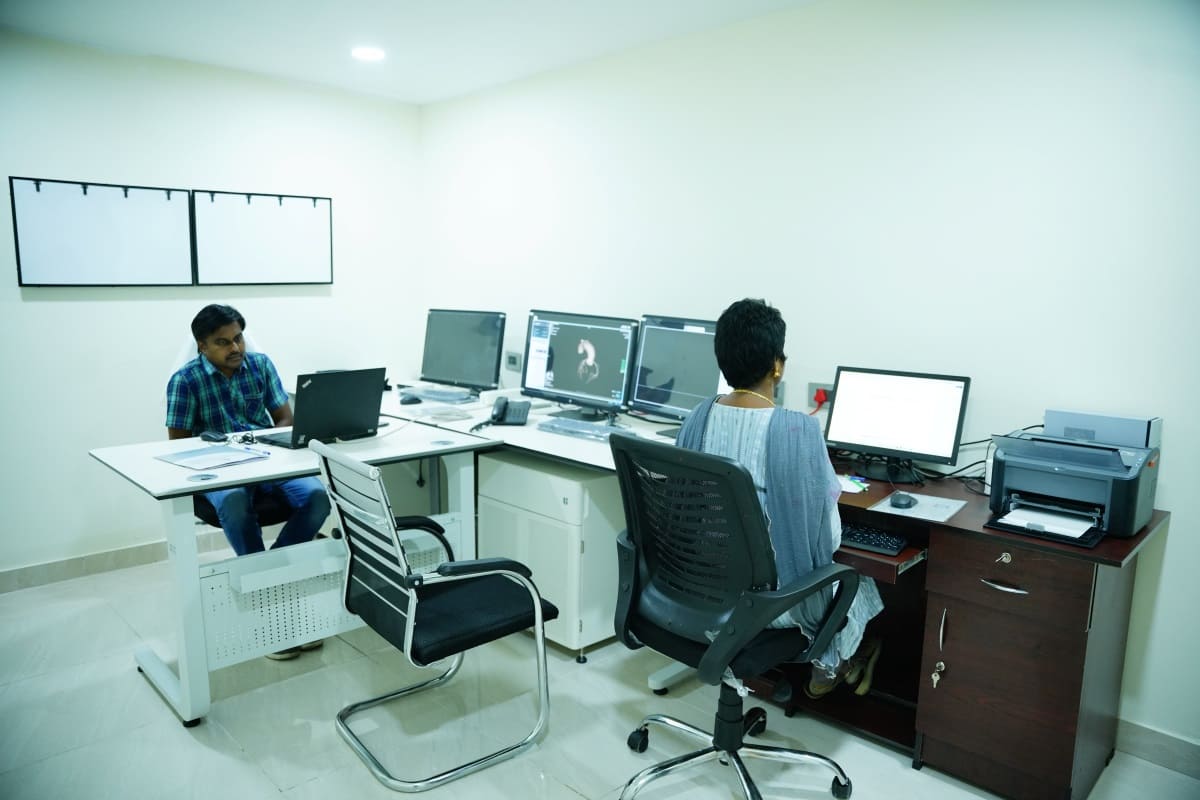
- Modern diagnostic facilities for quick tests and scans
- Experienced doctors and trained nursing staff
- Clear communication with the family at every step
- Easy access from your home or workplace
You can explore the medical services at Sentini Hospitals to see the specialties and care available under one roof.
Tell your family where you will go
Share your hospital choice with parents, spouse, children and neighbours. Make sure everyone knows the way and has the phone number.
Build a Simple Family Emergency Plan
A little preparation makes a big difference. Spend 30 minutes this week to do the following.
1. Save important numbers
Store these in every adult's phone and on the fridge:
- 108 for ambulance
- Your chosen hospital's emergency number
- Your family doctor
- A neighbour or relative nearby
2. Keep a health folder
Put these together in one folder or bag:
- A list of medicines, with doses and timing
- Known allergies
- Recent test reports and prescriptions
- ID cards and health insurance papers
Take a photo of each paper and keep copies on your phone.
3. Prepare a basic first-aid kit
- Sterile gauze, bandages and tape
- Antiseptic solution
- A digital thermometer
- Gloves and a clean cloth
- Any regular medicines prescribed by your doctor
4. Learn basic first aid and CPR
CPR (cardiopulmonary resuscitation) is a way to keep blood moving when the heart stops. Many hospitals and training groups offer short classes. Even one session can prepare you to help in a crisis.
5. Teach older children
Children above 8 or 9 years old can learn to call 108 and give the home address. Practise it like a fire drill.
6. Know your hospital
Take a short time to learn about the hospital you would choose. You can read about its team and approach on the About Us page of Sentini Hospitals.
Seasonal Emergencies to Watch For in and Around Vijayawada
Some emergencies are more common at certain times of year. Keep these in mind.
Monsoon and flood season
- Fever with chills, yellow eyes or dark urine
- Severe loose motions and vomiting
- Snakebites, especially in wet areas and while wading through water
- Skin and wound infections from dirty water
Seek medical help early for high fever, severe weakness or signs of dehydration.
Summer
- Heat stroke, with very high body temperature, confusion and hot dry skin
- Dehydration and fainting
Winter
- More heart attacks as cold weather strains the heart
- Worsening of asthma and breathing problems
Festivals and travel seasons
- Road accidents
- Burns from crackers and cooking
- Food poisoning from outside or stored food
Being aware of these patterns helps you act early and stay one step ahead.
Why Sentini Hospitals Is the Best Medical Care Hospital in Vijayawada
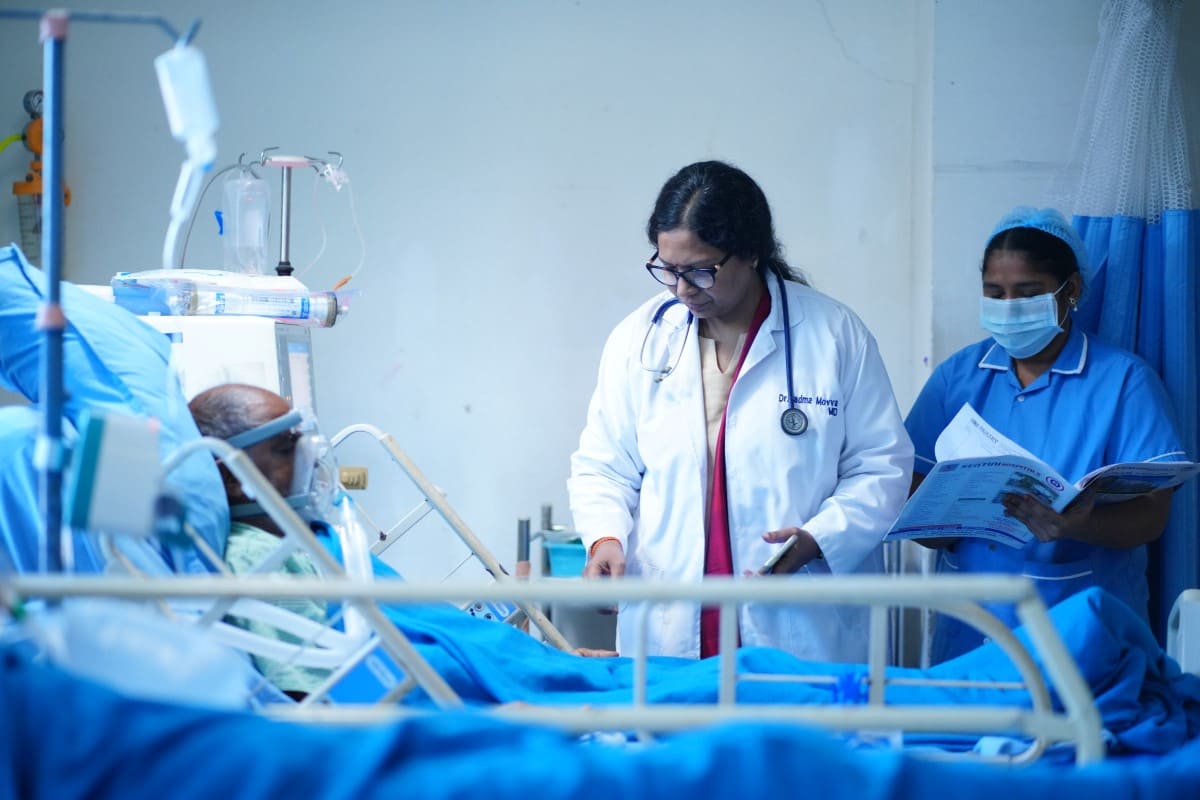
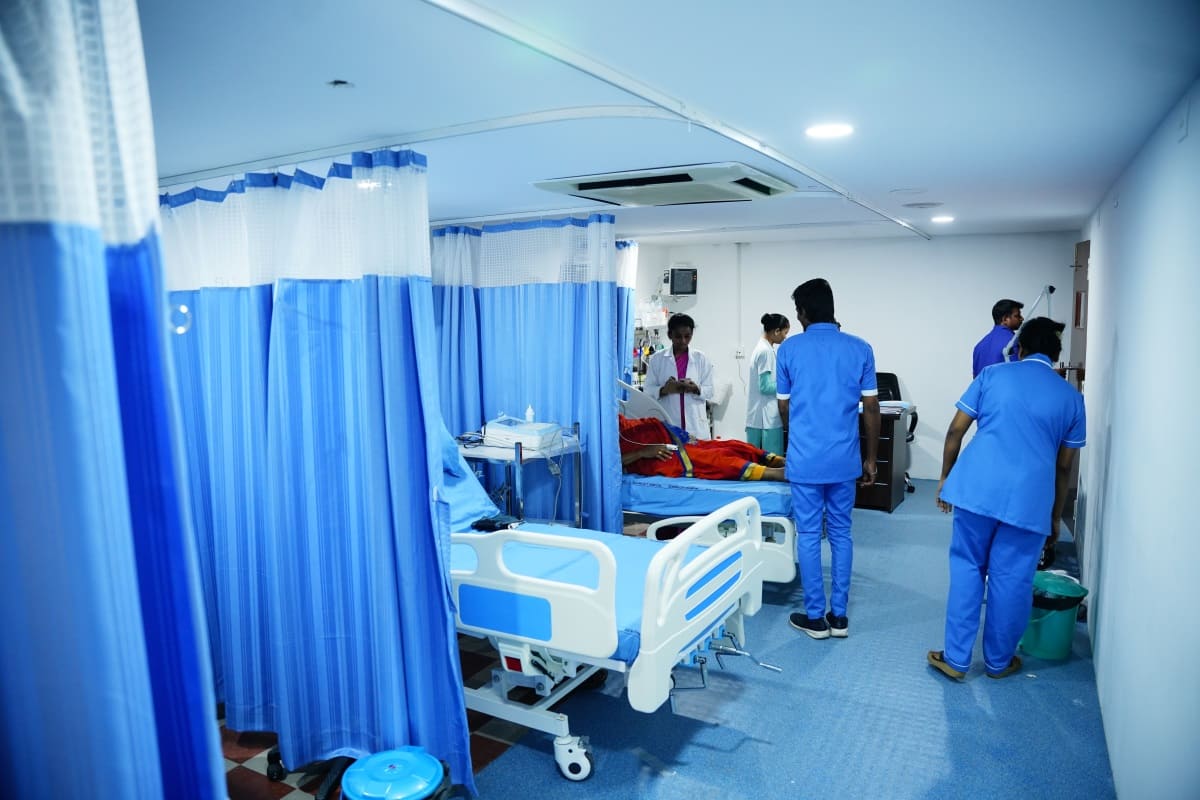
When an emergency strikes, you want skilled doctors, modern facilities and caring staff in one place. Sentini Hospitals is a multi-specialty hospital with a 150-bed facility in Vijayawada. It brings together emergency and critical care with many specialties.
Here is what families value:
- Emergency and critical care: The hospital provides emergency and critical care services for serious and sudden illnesses.
- Multi-specialty expertise: Heart, brain, stomach, lung and other conditions can be managed by specialists in one hospital.
- Focus on training and excellence: Sentini Hospitals has academic institutes in areas such as neuroscience and cardiology.
- Modern infrastructure: Advanced facilities support faster diagnosis and treatment.
- Patient-first approach: Families are kept informed and treated with respect.
- Easy access: The hospital is on Ring Road, opposite Novotel Hotel, within reach of Tadepalli, Mangalagiri, Amaravati and Gannavaram.
To know more about our departments and doctors, visit the Sentini Hospitals home page.
Medical emergency? Do not wait. Call 108 or come straight to our emergency department. Sentini Hospitals, 54-15-5 B&C, Ring Rd, Opposite Novotel Hotel, Vijayawada, Andhra Pradesh 520008. Phone: +91 9010726666
Frequently Asked Questions
1. When should I call 108 instead of going to the hospital myself?
Call 108 for chest pain, stroke signs, severe breathing trouble, heavy bleeding, fits, unconsciousness, serious accidents, poisoning or snakebite. The ambulance team can start care on the way. If you are unsure, it is safer to call and ask for guidance.
2. Is the 108 ambulance service free?
In Andhra Pradesh, the 108 service is a government-run emergency ambulance service. It is widely known to be available to the public at no charge for emergency transport. Please check the current terms through official sources, as services can change.
3. What should I do if the ambulance is delayed?
Stay on the phone with the operator and follow their instructions. Keep the patient calm and comfortable. If the person is stable and a safe vehicle is available, ask the 108 operator whether you should arrange transport. Never drive if you are alone with a critical patient.
4. How do I reach Sentini Hospitals in an emergency?
Call 108 and ask to be taken to the nearest suitable hospital, or come directly if the situation is stable. For general enquiries, use our Contact Us page or call +91 9010726666.
5. Can I call 108 for a child or a pregnant woman?
Yes. Call 108 for a child with trouble breathing, fits, a very high fever with drowsiness or repeated vomiting. Call for a pregnant woman with heavy bleeding, fits, severe pain or sudden swelling. These situations need urgent care.
Conclusion: Be Ready Before It Happens
No one expects an emergency. But a few simple steps can make you and your family ready. Know the warning signs. Remember that 108 is there for you. Keep important papers in one place. Choose your hospital in advance.
Remember these key points:
- Call 108 for chest pain, stroke signs, serious bleeding, breathing problems, fits and unconsciousness.
- If you are unsure, call and ask. It is better to be safe.
- Give clear information on the call and stay on the line.
- Do not delay with home remedies or long travel.
- Prepare a simple family emergency plan today.
Choosing the best medical care hospital in Vijayawada before you need it gives your family real peace of mind. If you want to know your health status or discuss any concern, do not wait for an emergency.
Take the first step today. Book an appointment with Sentini Hospitals or call +91 9010726666. Sentini Hospitals, 54-15-5 B&C, Ring Rd, Opposite Novotel Hotel, Vijayawada, Andhra Pradesh 520008.
Disclaimer: This article is for general awareness and does not replace advice from a qualified doctor. In any medical emergency, call 108 or go to the nearest emergency department immediately.
Word count: approximately 2,000 words (blog content only, excluding SEO details and disclaimer). Please confirm the final count in your CMS or Word before publishing.
Suggested internal blog topics for future linking:
- Heart Attack in Winter: Why Cardiac Emergencies Rise in Cold Weather
- Stroke Warning Signs: The FAST Test and the Golden Hour in Vijayawada
- Snakebite, Leptospirosis and Jaundice After Floods: What Families Should Know